



How to Reduce Stress and Anxiety: A Step-by-Step Beginner-Friendly Guide
Before you reach the end of this guide, you’ll uncover one tiny shift that instantly interrupts a stress spiral but most people never use it. Stress and anxiety often strike faster than we expect—one email, one conversation, or even one small thought can shift your mood and tighten your chest. If you’ve ever felt overwhelmed, frozen, or mentally “flooded,” you’re not alone. In fact, your mind and body are doing what they were designed to do: protect you. But modern stressors rarely require a “fight or flight” response, and this mismatch creates mental noise, worry loops, and physical tension. This guide offers a structured, step-by-step method to calm both body and mind using simple techniques that fit into daily life. You’ll learn breathing patterns that soothe the nervous system, grounding exercises to stop spiraling thoughts, reframing tools to quiet self-criticism, and short movement resets that release physical pressure. You’ll also see how apps like Calm, Simple Habit, and Headspace support these tools. Before we begin—there’s one essential preparation step that makes every technique here far more effective.
What Causes Stress and Anxiety?
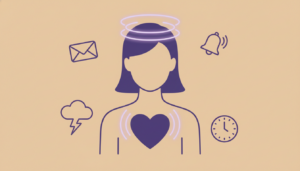
There’s one surprising trigger behind stress that most people overlook—and you’ll recognize it immediately.
Stress and anxiety arise when your brain perceives a threat—physical, emotional, or even imagined. Modern stressors rarely involve real danger, yet the body reacts as if survival is at stake. According to the World Health Organization (WHO), stress occurs when demands exceed your perceived ability to cope, activating the hormonal “fight-or-flight” response. Meanwhile, research from the National Institute of Mental Health (NIMH) shows that chronic anxiety can develop when this response becomes overactive or persistent, even in everyday situations.
Common Causes
- External pressures: workload, financial concerns, relationship conflicts, major life changes.
- Internal factors: perfectionism, negative thinking patterns, trauma history, poor sleep, or health conditions.
- Hidden triggers: constant notifications, sensory overload, and unprocessed emotions.
When these factors stack up, the nervous system stays in a heightened state, making it harder to relax and think clearly. Understanding your triggers is the first step toward choosing the right calming techniques.
Simple Ways to Reduce Stress and Anxiety
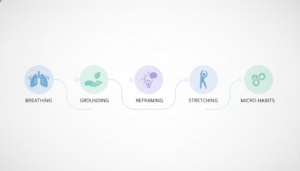
Before diving into deeper lifestyle strategies, here are the core techniques that work quickly and reliably to calm both your mind and body. Each method below targets a different part of the stress response system, and together, they create a strong foundation for stress relief.
Deep Breathing Exercises to Regulate Your Nervous System
Breathing is the fastest entry point to calming the nervous system. When you apply the 4–2–6 method, the extended exhale activates your parasympathetic “calm switch.” But many people struggle to maintain rhythm or lose focus during early practice. In this case, meditation apps can serve only as supportive tools—for example, Calm provides a visual breathing animation that expands and contracts at a steady pace, helping you follow the rhythm without counting. This does not replace the technique; it simply supports your ability to perform the breathing pattern more effectively when stress is high.
Grounding Techniques to Bring Your Mind Back to the Present
Grounding pulls you back into the present moment and stops the mind from spiraling. The 5-4-3-2-1 method works best when you genuinely pause to notice each sensory detail. If you find it difficult to focus or your mind jumps between stimuli, you may use gentle background sounds from apps like Headspace or Simple Habit. These soundscapes function purely as support, helping reduce mental noise so you can engage more fully with the grounding technique—not as a stress-reduction method on their own.
Cognitive Reframing to Reduce the Power of Anxious Thoughts
Reframing helps you distinguish between thoughts and reality. For many people, stepping back to observe thoughts without fighting them is challenging. In such cases, short “Noting” guidance sessions in Headspace can act as a supportive reminder, teaching you how to label thoughts without engaging with them. The app does not replace the cognitive technique; it simply reinforces the skill until it becomes more intuitive and less emotionally charged.
Light Movement to Reduce Stress Hormones and Tension
Physical movement—such as a 60-second shoulder and neck release—helps dissipate accumulated cortisol and release muscle tension. Some individuals have difficulty maintaining gentle pacing or choosing appropriate movements. When that happens, quick movement-mindfulness sessions in Simple Habit can provide light guidance to encourage slow, safe, functional movement. Again, the app is not the method; it’s only a facilitator for performing the movement-based technique correctly.
Micro-Habits That Lower Your Daily Stress Load
Micro-habits strengthen stress resilience through repetition rather than intensity. These can include a single breath cycle when you sit at your desk, relaxing your jaw before opening your email, or doing a 30-second grounding check after a meeting. To maintain consistency, you can use reminder notifications from Headspace or Simple Habit. These cues prompt you to practice the actual techniques (breathing, grounding, relaxing the jaw, etc.), but they are not stress-management methods themselves.
Spend Time in Nature to Reset Your Mind
Just a few minutes outdoors can help lower cortisol and calm your nervous system. Research from the NIH shows that exposure to natural spaces—trees, sunlight, fresh air—reduces mental fatigue and improves emotional balance. You don’t need a long hike; even a short walk, sitting by a window, or stepping outside during breaks can ease overstimulation. Nature itself is the therapeutic element, while optional tools like Calm’s nature soundscapes simply help you settle into the moment.
Focus on Sleep to Reduce Daily Stress
Quality sleep makes your brain more resilient to stress. Studies from the National Institutes of Health indicate that poor sleep amplifies emotional reactivity and makes small stressors feel bigger. Aim for consistent bedtimes, reduced screen exposure at night, and a short grounding or breathing exercise before sleep. Optional app features—like Calm’s Sleep Stories or Headspace Wind-Downs—can support relaxation, but the key method is maintaining healthy sleep habits.
When to Seek Professional Help
While most stress can be managed with healthy coping techniques, there are times when professional support becomes essential. You should consider speaking with a licensed mental-health provider if stress or anxiety begins interfering with daily functioning—such as persistent sleep problems, difficulty concentrating, emotional overwhelm, or avoidance of normal responsibilities. Seek help promptly if you experience frequent panic attacks, ongoing physical symptoms like chest tightness or dizziness, or if feelings of fear and worry last for several weeks without improvement. Importantly, contact a healthcare professional immediately if you ever have thoughts of harming yourself.
Professional care—whether therapy, counseling, or medical evaluation—can help identify underlying causes and provide personalized strategies to support long-term well-being.
Common Pitfalls & How to Fix Them
One overlooked pitfall silently sabotages all progress—you’ll recognize it soon.
Trying to relax too quickly
Slow down; your system needs gentle adjustments.
Practicing only during crises
Daily practice builds resilience.
Multitasking while calming down
Distraction blocks results.
The hidden pitfall: jaw and hand tension
These signals tell the brain you’re unsafe.
→ Fix: unclench jaw, drop shoulders, open palms.
FAQs
How fast can stress-reduction techniques work?
Some people feel relief within 30–90 seconds, especially with breathing or grounding. But for chronic stress, consistency matters more than speed. Micro-habits throughout the day reduce baseline tension over weeks.
What if certain exercises make my anxiety feel worse at first?
This is common. Anxiety rises when your body isn’t used to slowing down. Reduce intensity: shorter breaths, simpler grounding, or eyes-open meditation. If symptoms escalate (chest pain, shaking), stop and seek medical guidance.
Can these techniques help during a full panic attack?
They can reduce severity but may not stop the episode instantly. Use grounding first (touch, temperature, posture), then shift to breathing. Avoid long inhales; instead use slow extended exhales.
How can I practice these steps discreetly at work or in public?
Use subtle versions:
- 4–2–6 breathing while reviewing a document
- 5-second grounding (“feet–hands–breath”)
- Simple Habit’s commuter-friendly audio
These are invisible to others.
Are apps like Calm, Simple Habit, or Headspace enough on their own?
They’re excellent tools, but they work best when paired with daily micro-habits and the steps in this guide. Apps support consistency; they don’t replace professional care.
How often should I repeat the techniques each day?
Aim for 2–3 short practices, 30–90 seconds each. Add one longer session (5–10 minutes) if manageable. Small repetitions train your nervous system better than one long session.
What should I do if none of the techniques seem effective?
Check for common blockers: jaw tension, shallow breath, multitasking, or practicing only during crises. If stress continues to disrupt daily life, consider speaking with a licensed mental-health professional.
How do I know when it’s time to seek professional help?
Seek help if stress causes:
- persistent sleep issues
- avoidance of daily tasks
- physical symptoms (chest pain, numbness)
- panic attacks
- thoughts of self-harm
Professionals can tailor therapy, medication, or specialized interventions.

User Reviews