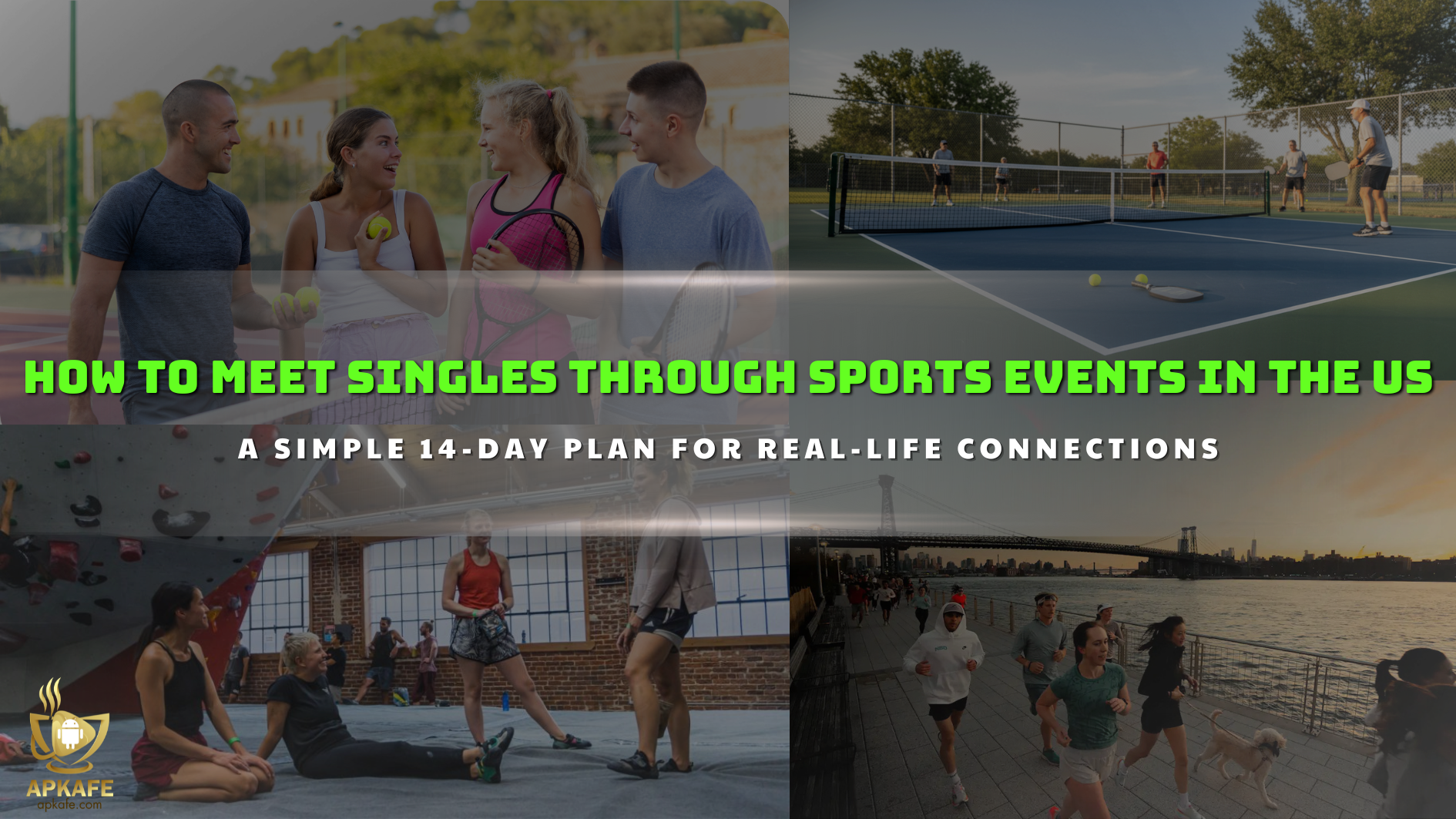




A Detailed 14-Day Action Plan for Introverts to Meet Singles Through Sports Events
You join sports events, talk to a few people, and still go home thinking, “Fun… but no real connection.” Here’s the secret: meeting singles through sports isn’t about confidence or luck—it’s about using the setting correctly, and most people leave right before the best connection window opens. In this guide, you’ll learn a simple 14–30 day plan to turn sports events into low-pressure, repeatable momentum—so hangouts (and dates) can happen naturally.
You join sports events, talk to a few people, and still go home thinking, “Fun… but no real connection.”
Here’s the secret: meeting singles through sports isn’t about confidence or luck—it’s about using the setting correctly, and most people leave right before the best connection window opens.
In this guide, you’ll get a simple 14–30 day plan to turn sports events into low-pressure, repeatable momentum—so hangouts (and dates) can happen naturally.
One thing to watch: in many sports settings, the real social moment starts after the activity. If you leave immediately, you miss the part where familiarity begins.
So ask yourself: What if you don’t need more events—just a better way to use the ones you already attend?

Why sports events make it easier to meet a partner
If dating apps feel exhausting, sports events quietly solve problems apps can’t.
Sports work for dating because they shift how people experience each other.
Instead of quick judgments and forced conversations, you get context, repetition, and shared experience—the same ingredients that create attraction in real life.
Here’s what sports environments do differently:
- Built-in context. There’s always a reason to talk—rules, rotations, teams, equipment, or how the activity works. You’re never “interrupting.”
- Repeated exposure. Seeing the same faces weekly turns strangers into familiar people. Familiarity lowers social guardrails.
- Low-pressure exits. If there’s no spark, you still have a good game, walk, or workout. Nothing feels wasted.
- Real signals. Energy level, lifestyle, communication style, and boundaries show up naturally through activity.
This matters because people connect better when they’re relaxed.
And relaxation happens when no one feels like they’re being evaluated.
Choosing the right format (not just the sport)
Not all sports environments create the same dating potential.
What matters most isn’t skill level—it’s structure.
Think in formats, not sports:
- High-connection formats create natural interaction loops: rotations, breaks, teamwork, or a clear “after” culture.
- Medium-connection formats have conversation windows before or after the activity.
- Low-connection formats are intense, silent, and end abruptly.
A simple rule that saves time and energy:
If the activity naturally creates pauses, partner changes, or shared downtime, it usually creates conversation.
Understanding why sports work is helpful—but results come from execution. That’s where the 14–30 day plan comes in.
The 14–30 day plan that actually creates momentum

You don’t need to go to more events. You need a short plan that lets familiarity build.
This plan is designed for real life: busy schedules, mixed energy levels, and no pressure to perform. It works because it focuses on consistency over intensity.
Step 0: a 15-minute setup (before you attend anything)
Before picking events, pause and decide three things:
- Your goal. Are you here to meet new people, build a social circle, or look for a partner? Clarity prevents scattered effort.
- Your capacity. For most people, two events per week is sustainable. More than that often leads to burnout.
- Your safety baseline. Public venues, your own transportation, and easy exits are non-negotiable.
This small setup step prevents random attendance—and random outcomes.
Step 1: choose the right sports for you
The best sport isn’t the trendiest one—it’s the one you’ll return to.
Use this matching logic:
🏓 If you want fast introductions, choose rotation-based formats (open play, social leagues).
🚶 If you’re more introverted, choose calmer formats where talking is built in (walking groups, climbing sessions).
🥎 If you want long-term potential, choose recurring weekly leagues or groups.
You’re not choosing a sport to impress anyone.
You’re choosing a format that lets people get used to seeing you—and that’s where connection begins.
Step 2: find the right events (without endless scrolling)
Good events share predictable traits—once you know what to look for, choosing becomes easy.
Prioritize events with:
- 15–30 people. Big enough to blend in, small enough to talk.
- Recurring schedules. Weekly beats one-off every time.
- Interactive formats. Movement, pairing, rotating, or collaborating.
Avoid events where everyone sits, watches, or leaves immediately when it ends.
One small habit that matters more than it sounds: arrive 5–10 minutes early.
Early minutes are socially open. Late minutes feel closed.
Step 3: how to show up so people talk to you
You don’t need to be outgoing—you need to be visible.
Visibility comes from positioning, not personality:
- Stand near check-in areas, equipment racks, or warm-up zones.
- Keep your phone and headphones away during social windows.
- Use eye contact and short, practical comments related to the activity.
This signals availability without forcing interaction—and that’s what makes others comfortable approaching you.
Step 4: the simple conversation ladder
Most chats don’t fail—they just never point forward.
Think of conversation as three small steps:
- Context (now): what’s happening in the activity
- Personal-lite: how they relate to it
- Micro-future: a reason to interact again
Example flow:
“Is this your first time here?” → “What got you into this?” → “Do you usually come next week too?”
You’re not asking for a date.
You’re creating continuity.
Step 5: anchor + drop-in (the core structure)
Consistency beats intensity every time.
Use this structure:
- One weekly anchor. The same group every week.
- One drop-in. New faces, same general format.
The anchor builds familiarity.
The drop-in expands your pool.
Together, they compound without draining your energy.
A realistic 14-day plan
Week 1:
• 1 anchor event
• 1 drop-in event
Week 2:
• Same anchor
• Same or similar drop-in
Goal: become recognizable, not impressive.
A realistic 30-day plan
Weeks 1–2:
• Attend the same anchor weekly
• Add one drop-in per week
Weeks 3–4:
• Keep the anchor
• Rotate drop-ins
• Say yes to one after-activity hang (coffee, food, short walk)
By week four, you’re no longer “new.” You’re part of the environment—and that’s when things start to shift.
- You now have the structure. In Part 2, we’ll focus on execution—what to say, how to invite naturally, introvert-friendly tips, safety rules, and the mistakes that quietly kill momentum.
Tips that make sports dating feel easy (not forced)
You don’t need to be smoother—you need to make it easier for people to connect with you.
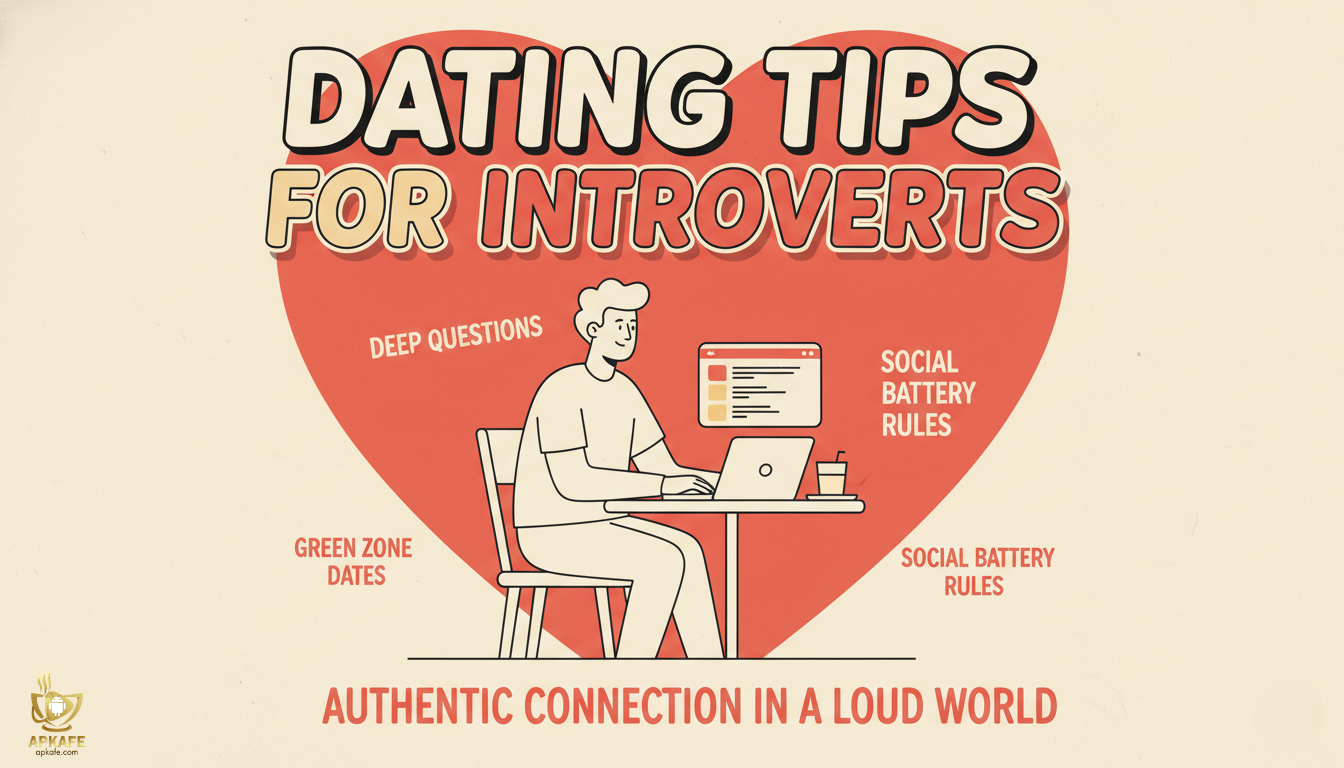
Tips for introverts (low-energy, high-results)
- Pick formats where talking is built in: walking groups, climbing sessions, beginner-friendly open play.
- Set a tiny target: “2 short chats” is enough. Don’t aim to “work the room.”
- Use repeatable openers so you don’t improvise every time: “Is this your first time here?” / “How does rotation work?”
- Arrive a little early so conversations start soft, not in the middle of action.
Micro-scripts by sport (so you never blank)
- Pickleball: “How long have you been coming to open play?” → “Do you usually play here on weekdays or weekends?” 🏓
- Rec leagues: “Which team are you on?” → “Do you guys hang out after games?” 🥎
- Volleyball: “How do rotations work in this league?” → “Are you playing next week too?” 🏐
- Climbing: “Have you tried this route?” → “Do you come here often or bounce between gyms?” 🧗
These keep things natural because they’re about the activity first—then they gently create continuity.
Once you can start small chats, the next step is turning them into hangouts—without making it weird.
🎁 You socialize without draining yourself, and familiarity builds naturally.
Natural hangouts that don’t feel like a “date ask”

The smoothest invites feel like the next obvious step, not a big romantic move.
Keep your first invite in the same vibe: low stakes, no drama.
- “Some of us grab coffee after—want to join?”
- “People are getting food—I’m heading over if you’re in.”
- “Are you coming next week? We could warm up together.”
Mindset shift: your first goal isn’t “get a date.”
Your first goal is “create a second interaction.”
Second interactions do most of the romantic work.
Quick follow-up after you swap contact (keep it simple)
- “Fun playing today—are you going to open play again this week?”
- “Good game—are you guys doing anything after the next match?”
- “If you’re going next week, I’m down to warm up together again.”
If you want more follow-up ideas that don’t sound scripted, adapt a few frameworks from How to use Hinge AI convo starters.
Next are the rules that keep momentum going week after week.
🎁 You leave events with a next step, not just a good feeling.
The rules that quietly increase your chances
These rules aren’t about trying harder—they’re about not wasting the best moments.
- The 5–10 minute rule: stay a few minutes after. That’s when people relax and chat opens up.
- One-next-step rule: leave with one micro-future (“See you next week?” / “Coffee after next time?”
- Familiarity > fireworks: aim to become familiar to a few people before chasing chemistry.
- Group-first rule: be friendly with the group before focusing on one person (less pressure, more comfort).
Now let’s cover what can ruin momentum—even if you’re doing a lot right.
🎁 You get consistent progress instead of random outcomes.
Mistakes that block connection (and quick fixes)
If you keep getting “almost” results, it’s usually one of these habits.
- Leaving immediately → Fix: stay 5–10 minutes after.
- Phone/headphones barrier → Fix: keep them away during warm-up/break/after windows.
- Flirting too early → Fix: build familiarity first, then personalize.
- Going all-in on one person too fast → Fix: stay social with the group; let interest build naturally.
- No follow-through → Fix: ask one micro-future question before you leave (“Are you coming next week?”).
🎁 Fixing even one of these can make sports dating feel 10x easier.
Safety, privacy, and boundaries (so you can relax and stay in control)
🔒 Safety isn’t “extra.” It’s what makes you comfortable enough to connect.
- Keep first hangouts public and busy
- Tell a friend your plan (share location if you can)
- Don’t overshare early (address, schedule, finances)
- Control your own transport
- Use block/report tools when needed
- Trust your instincts—leaving is always allowed
If you want calm boundary phrases that don’t sound harsh, use Online dating boundaries sentences.
Last step—quick FAQs to cover the exact questions people search right before they try this.
🎁 You show up calmer, and calm confidence is attractive.
❓FAQs
How to meet singles through sports fast?
Choose rotation formats + go weekly for 3–4 weeks. Fast comes from repeated exposure, not one-night luck.
How to meet singles through sports on Meetup?
Arrive early, greet the host, ask one practical question, and pick interactive events (15–30 people).
How to meet singles through sports safely?
Public first, share plans, control your transport, don’t overshare, trust your gut.
Are run clubs good for dating?
Yes for familiarity. If you want the full playbook, use Meet singles through run clubs in the US.
How do I approach someone at a sports event?
Start with context (“How does rotation work?”), then one personal-lite question (“How’d you find this group?”).
Quick recap + next step (do this this week)
- Choose sports formats that naturally create conversation (rotations, breaks, or an “after” culture).
• Show up consistently with a short 14–30 day plan instead of chasing random events.
• Aim for familiarity first—because comfort is what turns into real connection.
💡 Sticky insight:
The people who succeed at sports-based dating aren’t the most athletic or outgoing.
They’re the ones who show up the same way, week after week, and stay just long enough for familiarity to do the work.
- Pick 1 anchor event + 1 drop-in, stay 5 minutes after, and leave with one small next step (“See you next week?” or “Coffee after?”). That’s enough to start momentum.
Read more (if you want to go deeper)
If you want to build on what you just learned, these guides connect naturally with this approach:
- How to date with standards on dating apps (US)
Helpful if you’re mixing offline sports events with selective app use—without dating out of convenience. - Online dating boundaries sentences
Calm, reusable phrases for setting boundaries (useful offline too). - Why he ghosted you on dating apps
Perspective for when follow-ups don’t land—so you don’t lose confidence or momentum.
💬 Question for readers:
Which sports event are you most likely to try next—and what’s been stopping you so far?

User Reviews