


Soft Partying Dating: The High-Signal IRL System for Senior Remote Backend/DevOps Engineers (28–35)
Soft Partying Dating is a low-pressure way for senior remote Backend/DevOps engineers to meet high-signal people offline—through calm, activity-based rooms with real context. Instead of endless swiping and noisy bars, you’ll build connection through recurring “loops” like run clubs, workshops, volunteering, and climbing socials, where conversation happens naturally and safety is built in. This guide shows you how to pick the right rooms, start clean conversations, read signals without overthinking, and follow up in 24–72 hours—so your dating life becomes a stable system, not algorithmic chaos.
Steve Jobs once said, “Simple can be harder than complex: You have to work hard to get your thinking clean to make it simple.”
If you’re a Senior Remote Backend or DevOps Engineer, that quote is basically your daily grind. You make systems stable under messy conditions. You refactor chaos into clarity. You care about architecture because you’ve seen what happens when architecture is wrong: more stress, worse outcomes, constant firefighting.
Now translate that to modern dating.
A lot of engineers end up running a social system that feels like:
- High latency: weeks of texting that never becomes real.
- Low signal-to-noise: lots of “hi,” little clarity.
- Random outages: ghosting and ambiguity.
- Cognitive overload: swipe → chat → fade → repeat.
And here’s the most annoying part: you can’t “work harder” and fix it. You can optimize your profile, test prompts, reply faster, improve photos—yet the system still produces unstable outputs.
This guide introduces Soft Partying Dating: a minimalist, high-context way to meet people offline through calm, activity-based rooms—where conversation doesn’t require pickup lines, and interest becomes observable through behavior over time.
It’s not anti-tech. It’s pro-human. Think of it as clean architecture for connection.

What Soft Partying Dating Is (and What It Isn’t)
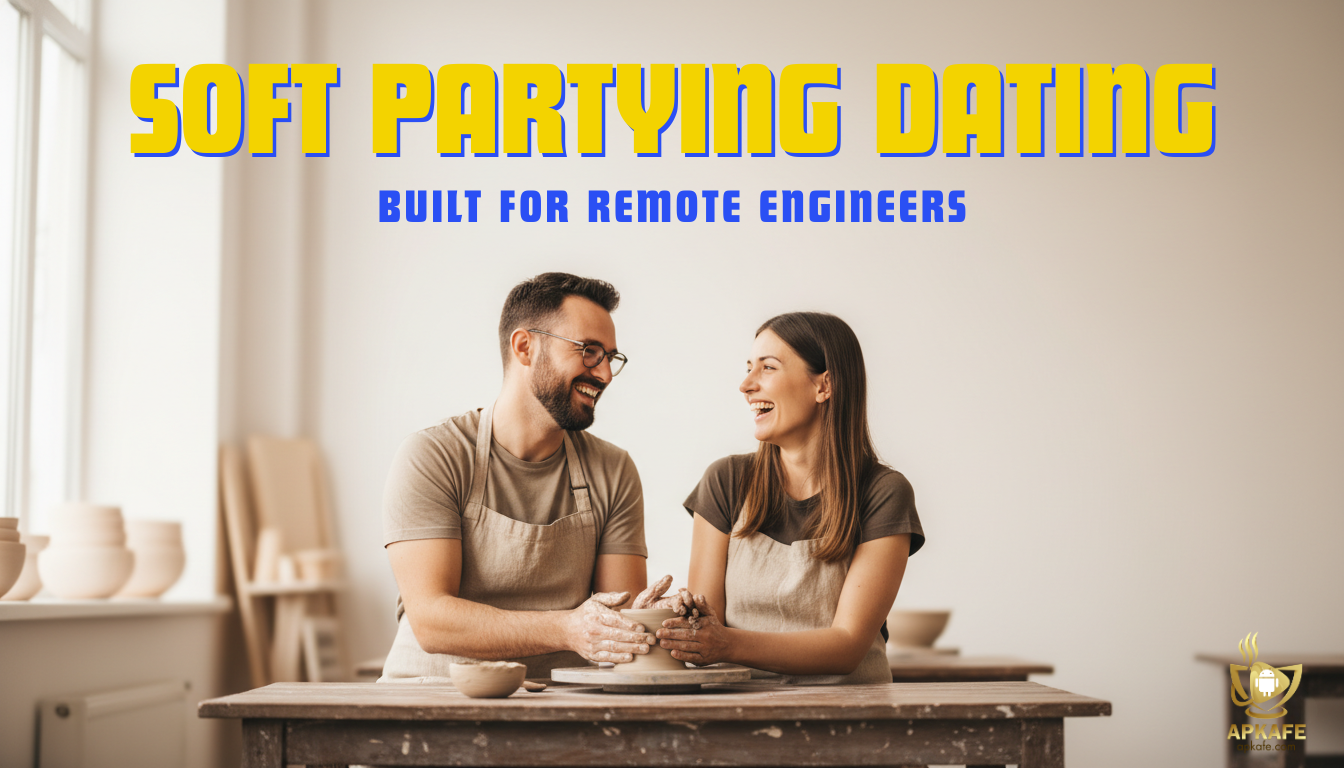
Soft Partying Dating means meeting people in low-noise, high-context rooms built around a shared activity—so you don’t need performative charm. The room carries the conversation.
Think: run clubs, climbing socials, cooking/pottery/photo workshops, listening parties/book salons, language exchanges, volunteering shifts, board game cafés, breathwork/yoga cohorts, steady-pace hiking groups.
It’s “soft” because it avoids loud nightlife and swipe-culture status games. It’s “dating” because the goal is genuine connection—without forcing intensity or speed-running intimacy.
This also matches the bigger cultural shift: more people are rebuilding real-life loops beyond swiping. If you want the trend lens, it aligns with Gen Z dating trends in the anti-app era—where more singles choose in-person routines and community spaces over endless browsing.
What it isn’t:
- Not a manipulation playbook.
- Not “networking” speed dating.
- Not a one-night “deploy and pray.”
- Not a substitute for boundaries, consent, or self-awareness.
Soft Partying Dating is about designing conditions where connection can happen naturally—and where you can stay present instead of performing.

The Underdog Effect: High-Functioning… Still Lonely (Real Story)
I used to think I was the problem.
On paper, I had stable adult energy: remote job, decent habits, “doing fine.” But my social life was basically low battery + high noise.
I’d open dating apps after work and tell myself: “Just 10 minutes.”
Forty minutes later, my brain felt cooked. Not because people were bad—because everything felt like a performance review.
One night, I matched with someone I genuinely liked. The conversation was real—music, weird internet rabbit holes, life goals. Then I sent one normal message… and it was like the connection got unplugged. No drama. Just gone.
That’s the underdog moment:
“Maybe I’m not interesting enough.”
“Maybe I’m too late.”
“Maybe everyone else figured this out.”
If you’re 28–35 and remote, you probably know the vibe: you’re okay in life, but your social life feels quietly heavy. Remote work can turn your days into a clean loop—productive, stable, low friction—until you realize you haven’t built real community exposure in months.
A lot of people are feeling that exhaustion harder now because modern dating is getting more automated and more optimized—more “assistant-driven,” more templated, more performative. If that hits home, the deeper explanation is in dating fatigue with AI.
Soft Partying Dating didn’t “fix” me. It gave me a better environment.
The first time it worked, the biggest shift wasn’t “I met someone.” It was:
“Oh… I’m not broken. I just needed a better room.”
Root Cause: Why Apps Trigger Defend Mode (Not Bond Mode)
Dating apps don’t fail only because people are shallow. They fail because the environment strips away Context and Safety, which pushes your nervous system into Defend Mode.
- When context is low, intent is unclear → you overanalyze micro-signals.
- When safety is low (ghosting risk, status pressure, ambiguity), your nervous system does what it’s built to do: protect you.
Defend Mode looks like:
- scanning for threats (rejection, embarrassment, misread signals),
- performing instead of connecting,
- minimizing vulnerability,
- treating humans like “cases” to solve.
Defend Mode isn’t a personality flaw. It’s biology.
Soft Partying Dating works because it restores the missing variables:
- Context: shared activity creates shared reality.
- Safety: public, structured rooms lower threat.
- Time: recurring loops build familiarity.
That’s how you move from Defend → Bond—without forcing it.
The Core Principle: Selection Over Effort
In engineering, effort can’t compensate for bad architecture. You don’t grind harder—you redesign.
Dating is similar:
Selection > Effort.
Pick high-signal rooms. Then show up consistently with low pressure.
The goal isn’t to become a different person. It’s to stop running connection in an environment that punishes normal human behavior.
STEP 1 — Architect Your Connection Stack (High-Signal Rooms)
Your Connection Stack is where you spend your social time. If your stack is mostly apps + loud bars + random one-offs, you’re in low-context conditions.
Soft Partying Dating prefers rooms with:
- a shared activity,
- manageable noise,
- structure (host/facilitator, start/end time),
- space for 1-on-1 deep dives,
- a recurring loop (weekly/monthly).
High-signal stack options (pick 1–2)
Async-friendly: listening/album clubs, book salons, film clubs, museum nights
Skill-based: cooking/pottery/photo walks, maker spaces, language exchanges
Wellness: beginner run clubs, yoga/breathwork, hiking, climbing socials
Contribution: volunteering shifts, cleanups, nonprofit teams
The Good Room Checklist (0–2 each, aim 8+)
Shared activity • normal-speech noise • structure • 1-on-1 moments • recurring loop • mingle before/after • you’d attend anyway.
If it scores low, don’t self-blame. Just pick a better room.
Bad-room red flags: too loud • cliquey/unstructured • one-off only • status-performative • private-only invites.
STEP 2 — Minimize Social Cognitive Load (Be Present)
Soft Partying Dating doesn’t reward being impressive. It rewards being calm enough to stay present.
- Wear functional basics you can forget about (good shoes + one layer).
- Arrive 10–15 minutes early to reduce overload and make the first conversation easier.
- Swap goals: “meet someone” → “one good conversation.”
Extra tip that helps engineers: treat your first 15 minutes like a “warm-up.” Say hi to the organizer. Make one micro-comment about the activity. Let your nervous system settle. You’re not behind—you’re just loading context.
STEP 3 — Protocol for Signal Exchange (No Pickup Lines)
Openers that don’t feel cringe:
- “What brought you here today?”
- “Have you tried this before?”
Flow: Observe → Query → Sync
- Observe: “That part was harder than I expected.”
- Query: “What’s been your favorite part so far?”
- Sync: “I’m remote, so I’m rebuilding real-life routines.”
Thread rule: stay with one topic for 2–3 layers (question → follow-up → small story). This is the simplest “depth” mechanic. Most people quit too early and call it “no chemistry.”

STEP 4 — Read Signals With Causal Logic (Stop Guessing)
Valid signals:
- reciprocity (they ask back),
- retention (they stay engaged),
- referencing (they remember details),
- re-engagement (they circle back).
If you want extra clarity around behavior patterns—especially when you spiral into overthinking—this guide on how to understand male psychology when dating can help you interpret patterns without guessing (use it as context, not stereotypes).
Low signal: short answers, scanning the room, polite-closed vibe, no thread extension.
Clean check-in:
- “I’ve enjoyed this—want to keep chatting after?”
- “Are you coming next week? Let’s continue then.”
Clarity is a gift. It saves both people time.
STEP 5 — Secure the Connection & Follow Up (Clean Momentum)
Lower the barrier: socials or “see you next week” > phone number immediately. Loops are powerful because they don’t force intensity.
Follow up in 24–72h (minimal):
- “Enjoyed our chat about [topic]. Going again next week?”
- “Want a quick coffee after the next session?”
- “This reminded me of [topic]: [resource]. Thought you’d like it.”
Two-Touch Rule: if no response after two calm messages, stop. Clean exits preserve self-respect and keep your system stable.
Safety: Defend-First Protocol (Non-Negotiable)
Treat safety like production security: strong defaults, easy exits.
Before: public, staffed venues; clear host/facilitator; avoid private-only invites.
During: keep early interactions public; exit cleanly if pressured.
After: first 1-on-1 = short + public; don’t overshare early.
If you want copy-paste wording, save these boundary sentences—they work offline too.

The 3 Roots: Wisdom, Ethics, Grit
- Wisdom: learn your best rooms and real signals.
- Ethics: connection without manipulation. This aligns with the shift toward intentional dating seen in Black Gen Z daters dating with intention.
- Grit: consistency over intensity—loops compound.
Power: Event Finder Playbook (So You Don’t Get Stuck)
Engineers often fail here because they don’t have “inventory.” Fix that fast.
Search your city using:
“run club beginner weekly,” “climbing social night,” “board game night weekly,” “language exchange weekly,” “pottery class series,” “breathwork weekly,” “volunteer shift weekly,” “hiking group weekend,” “listening party monthly.”
Then score events with the Good Room Checklist.
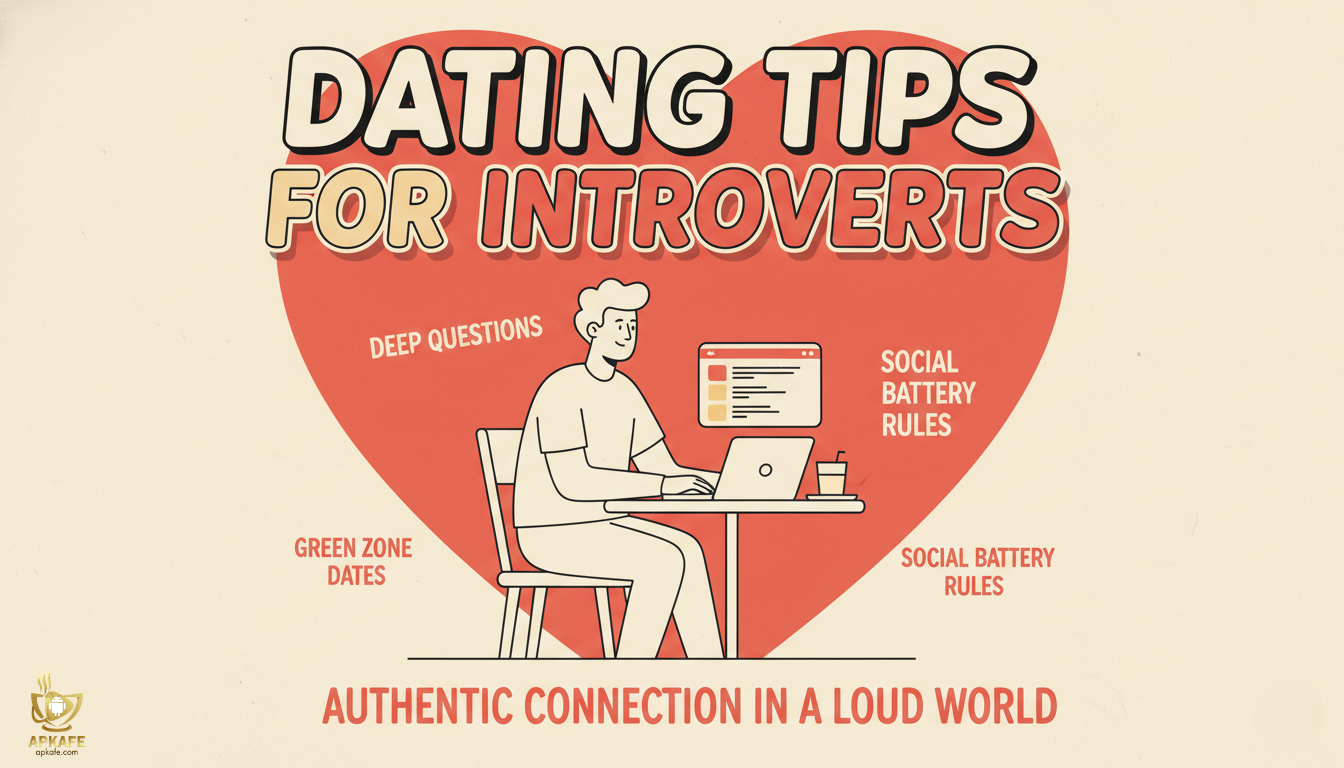
Introvert fast-start: use this 14-day sports-event plan as a structured ramp-up.
Soft Partying Dating vs Apps (Use Both—But Don’t Let Apps Run You)
Apps are high exposure, low context. Use them as optional—not primary.
If you want to keep apps without losing standards, follow date with standards on dating apps in the US.
If you use Hinge and want structure without sounding robotic, learn Hinge AI convo starters—then bring the same Observe → Query → Sync rhythm into real rooms.
Real-Life Constraints (Logistics Matter)
If you’re constrained by privacy or living situation, you can still date well—just plan cleanly. Here’s how to date while living with parents without turning it into stress.
Start Here: One Loop, Two Show-Ups (CTA)
Don’t try harder—design a better system.
Your next move (15 minutes today):
- Find one recurring loop event (weekly/monthly).
- Audit it with the Good Room Checklist.
- Commit to two show-ups in the next 7–10 days.
Your 48-Hour Action
Within 48 hours, do one thing: save one recurring event to your calendar.
Quick wins:
- Pick 1 event and score it in 60 seconds.
- Save Observe → Query → Sync.
- Do the sprint: two events, one good conversation each.
- Build the loop: show up again next week.
- Follow up in 24–72 hours with one context-based message.
Conclusion: Systemic Connection Beats Algorithmic Luck
If dating has felt draining, it may not be a personality bug. It may be a system mismatch.
Apps reduce Safety, Time, and Context. Soft Partying Dating restores them by changing the environment—so your nervous system can relax, your conversations can deepen, and familiarity can compound.
You don’t need hacks. You need a loop: pick one good room, show up twice, have one good conversation each time, follow up cleanly.
❔FAQs
Is this only for sober people? No—this is about low-noise, high-context rooms.
I’m introverted. Will this work? Yes. The activity carries the interaction.
How long until results? Commit to 4 weeks (3–4 show-ups).
Should I delete apps? Optional—pause 30 days if they drain you.
Best follow-up? “Enjoyed our chat about [topic]. Going again next week?”

User Reviews