



A Simple Guide: How to Start a Keto Diet at Home for Free
Keto has a reputation problem. For many Americans, it sounds less like a diet and more like a shopping spree: specialty snacks, supplements, paid meal plans, and a fridge full of food they’ve never bought before. When grocery bills are already high, that belief alone stops people from even trying. But here’s the truth most guides leave out: you can learn how to start a keto diet at home for free. No coaching. No subscriptions. No expensive products. Just a clear, beginner-safe system built around regular grocery foods you already recognize. This guide is written specifically for budget-conscious Americans who want to test keto before spending a single dollar. You’ll learn how to keep carbs low without calculators, build repeatable meals that save money and mental energy, avoid common beginner mistakes, and get through your first week without quitting or overspending. If you’ve ever thought, “Keto sounds good, but I can’t afford it,” this article will help you prove or disprove that belief for free, at home, and on your own terms.
What Is a Keto Diet?

Read this once and you’ll understand why keto works, without the science headache.
A keto diet, also called the ketogenic diet, is a low-carb, high-fat way of eating designed to shift your body’s main fuel source.
Normally, your body runs on carbohydrates. When carbs are drastically reduced, insulin levels drop and your body begins using fat for energy instead. This metabolic state is called ketosis.
In simple terms, the process looks like this:
Less carbs leads to lower insulin. Lower insulin allows easier fat burning.
That is why many beginners choose keto when they want a structured approach that reduces hunger and simplifies food decisions, especially when done at home without expensive tools.
Benefits of the Keto Diet for Budget-Conscious Beginners
Keto is not just about weight. For most beginners, the first wins show up elsewhere.
When done simply, the keto diet offers several practical benefits that matter to people watching their budget and energy levels.
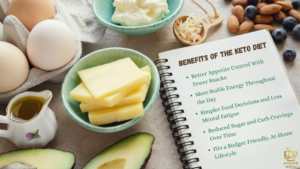
Better Appetite Control With Fewer Snacks
One of the first changes beginners notice is reduced hunger. Lower carb intake often means fewer blood sugar spikes, which can result in fewer cravings and less constant snacking. As a result, people often eat less without trying to restrict calories.
More Stable Energy Throughout the Day
Instead of riding sugar highs and crashes, many beginners report steadier energy once their body adapts. Energy may dip briefly in the first few days, but this usually improves with proper hydration and salt intake.
Simpler Food Decisions and Less Mental Fatigue
Because keto limits many carb-heavy foods, decision-making becomes easier. Fewer options mean less mental negotiation, easier grocery shopping, and a shorter ingredient list.
Reduced Sugar and Carb Cravings Over Time
Cravings rarely disappear overnight. However, after the first week, many people notice reduced desire for sweets and fewer emotional eating triggers.
Fits a Budget-Friendly, At-Home Lifestyle
Perhaps the most underrated benefit is cost control. When you understand how to start a keto diet at home for free, you realize it relies on basic foods, batch cooking, and repetition rather than packaged diet products.
How to Start a Keto Diet at Home for Free (Budget-Friendly Method)
Keto gets marketed like a shopping list. The real version is much simpler.
To understand how to start a keto diet at home for free, focus on three things: carb control, repeatable meals, and basic hydration. Everything else is optional.
Step 1: Learn the Only Keto Rule That Matters
Keto is not about expensive foods. It is about keeping carbs low.
Build meals around eggs, chicken, canned tuna, ground meat, leafy greens, frozen vegetables, and basic fats like butter or olive oil. At the same time, avoid common budget traps such as bread, pasta, sugary snacks, and sweetened drinks.
For most beginners, a practical first-week target is keeping net carbs around 20 to 30 grams per day.
Step 2: Use Repeatable Meals to Save Money and Willpower
The cheapest keto plan is the one you do not have to think about.
Choose three simple meals you can rotate all week. For example, eggs for breakfast, tuna or chicken with greens for lunch, and ground meat with vegetables for dinner.
Repetition reduces grocery costs, prevents impulse buying, and makes consistency easier. During week one, boring meals are a feature, not a flaw.
Step 3: Track Carbs Without Paying for Apps
You do not need premium tools to start. Many beginners succeed by either keeping meals simple enough to avoid tracking or logging net carbs only using free tools.
If you want to explore options later, you can compare free carb-tracking tools in guides such as best keto diet apps on your site, but upgrades are unnecessary in the first week.
Step 4: Hydration Is the Free Fix for Keto Flu
Many people quit keto early because they feel tired or headachy. In most cases, this is due to dehydration and low sodium rather than keto itself.
Drink water regularly, salt your food, and include leafy greens within your carb limit. Supplements are not required at this stage.
If you struggle to remember water consistently, use a simple reminder tool to stay on track without overthinking it. Try Water Reminder & Daily Tracker
Step 5: Use Free Resources Carefully
Free PDFs and beginner guides from trusted sources like Healthline can be helpful. However, too many resources can create analysis paralysis. Use them only as a grocery checklist or a simple 7-day structure.
Keto Diet Foods to Include (Budget-Friendly Starter List)

If you’re building a keto diet 1-week meal plan, focus on these low-cost staples.
Fats (often already in your kitchen)
- Olive oil
- Butter
- Mayo
- Avocados (optional—great but can be pricey depending on location)
Proteins (best value per serving)
- Eggs
- Chicken thighs or chicken breast
- Ground beef or ground turkey
- Canned tuna/salmon
- Fatty fish (frozen is usually cheaper)
Veggies (cheap, easy, low-carb)
- Spinach
- Broccoli (frozen is budget-friendly)
- Zucchini
- Cabbage (super cheap and versatile)
Snacks (optional—don’t overdo early)
- Nuts (watch portion size)
- Cheese
- Pork rinds (good crunch option, but not required)
What to Avoid (High-Carb Foods That Kick You Off Track)
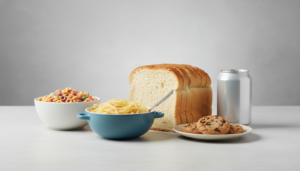
Skip these early on:
- Grains (bread, pasta, rice, cereal)
- Sweets (cookies, candy, pastries)
- Sugary drinks (even “healthy” bottled teas)
Also watch out for:
- Sauces with sugar (BBQ sauce, sweet dressings)
- “Keto-labeled” snacks that still add up fast
Free Keto Starter Checklist (60-Second Scan)
| Area | What “Good” Looks Like (Free) | Quick Fix |
|---|---|---|
| Net carbs | ≤20–30 g/day | Cut sauces/snacks |
| Protein | 2 palm servings | Reduce extras |
| Fat | Eat to satiety | Add oil/butter |
| Hydration | Clear/light urine | Water + salt |
| Meals | 3 repeatable | Repeat 5 days |
| Tracking | Free tier only | Log carbs only |
| Privacy | Permissions checked | Revoke unused |
How Long Should You Stay on “Free Keto” Before Spending Anything?
This is the timeline I wish someone had told me at the start.
From real beginner experience, the first 7–14 days of keto should cost $0. Not because paid tools are bad—but because you don’t yet know what you actually need.
In the first week, most beginners (myself included) spend money on the wrong things:
- Keto snacks they don’t like
- Apps they don’t use
- Supplements they don’t need
What actually matters in week one is behavior, not optimization:
- Can you keep carbs low consistently?
- Can you repeat simple meals?
- Can you manage hydration and energy?
Personal experience insight:
In my first keto attempt, I didn’t spend anything for 10 days. By day 7, I already knew:
- I didn’t need fancy recipes
- I only needed to track carbs, not everything
- I preferred repeating meals over planning daily
Only after two weeks did it make sense to consider spending money—and even then, it was optional.
Practical rule of thumb
- Days 1–7: Spend $0 (learn your habits)
- Days 8–14: Still free; refine meals
- After day 14: Spend only if something clearly saves time or reduces stress
Is Keto Safe for Budget-Conscious Beginners?
It can be—but only if you don’t try to be “perfect.”
From experience, keto becomes unsafe not because it’s free, but because beginners:
- Eat too little
- Cut carbs too aggressively
- Ignore hydration
- Try to “push through” warning signs
Ironically, people with limited budgets often do better because they:
- Eat simple foods
- Avoid ultra-processed keto products
- Repeat meals (which stabilizes energy)
What makes free keto safer
- Whole foods only
- Fewer ingredients
- Less decision fatigue
What makes keto risky (even if paid)
- Extreme restriction
- Ignoring symptoms
- Treating discomfort as “normal”
7-Day Keto Starter Plan (No Paid Meal Plan Needed)
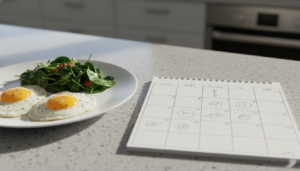
This is the exact structure many beginners succeed with. This plan is intentionally boring—because boring works.
Day 1–3: Adaptation Phase
Goal: Lower carbs, reduce overwhelm
- Breakfast: Eggs cooked in oil or butter
- Lunch: Tuna or chicken + mayo + greens
- Dinner: Ground meat or fish + vegetables
- Drink: Water (salt food generously)
👉 Expect: Hunger changes, mild fatigue, cravings
👉 Do NOT: Track calories, exercise intensely, buy supplements
Day 4–5: Stabilization Phase
Goal: Energy consistency
- Keep meals the same
- Eat when hungry, stop when satisfied
- Add broth or salt if energy dips
Personal experience insight: Day 4 is when I almost quit—until I realized it was dehydration, not failure.
Day 6–7: Evaluation Phase
Goal: Decide what to adjust (not what to buy)
Ask yourself:
- Are carbs consistently low?
- Do I feel clearer or more stable?
- Which meal is easiest to repeat?
At this point, many beginners realize:
- They only need 2 meals per day
- Or they want more vegetables
- Or tracking carbs helps reduce anxiety
👉 That’s when tools (still optional) start to make sense.
Health & Privacy Disclaimer
This 60-second checklist prevents common risks.
- Informational content only; not medical advice.
- Individual responses vary—consult a qualified professional if needed.
- Stop if you experience persistent dizziness, weakness, or nausea.
- Hydrate adequately and avoid extreme restriction.
- Review app permissions regularly; avoid sharing sensitive data.
FAQs
How fast will I see results?
Some notice appetite or energy changes in the first week; visible changes vary.
Do I need to count calories?
Not initially. Focus on low carbs and whole foods first.
Is exercise required?
Optional in week one; light movement is fine.
Can I do keto with my family?
Yes—build a protein + vegetable base and add carbs separately for others.
When should I stop?
If symptoms persist, stop and seek professional advice.

User Reviews