


Heteroflexibility: The "Flexible" Trend Shaking Up Dating Apps in 2026
As dating apps evolve in 2026, so do the ways people describe attraction. “Heteroflexible” is one of the fastest-rising labels, reflecting a shift toward honesty and flexibility rather than strict categories. Understanding what heteroflexibility means can help you navigate modern dating with clearer expectations—both for yourself and your matches.
The Fluidity Revolution of 2026
For decades, dating culture relied on a small set of familiar labels: straight, gay, bisexual. These categories worked—until they didn’t.
By 2026, modern dating has entered what many researchers and app designers now call the “gray-area era”: a shift away from rigid, binary identities toward more flexible, experience-based descriptions of attraction.
If you’ve been active on dating apps recently, you’ve likely noticed one label appearing again and again: “Heteroflexible.” It shows up in bios, preference filters, and casual conversations—especially on platforms like Feeld, but increasingly across mainstream apps as well.
This isn’t a coincidence, and it’s not just a trend word.
Understanding what heteroflexibility actually means has become crucial for modern dating, for three practical reasons:
- It helps you describe your own attraction more accurately
- It prevents mismatched expectations with potential partners
- It reflects how dating platforms are evolving in response to real user behavior
This guide breaks down what heteroflexibility is, why it’s growing so fast, how it differs from other identities, and—most importantly—how to navigate dating apps safely and honestly if this label resonates with you.
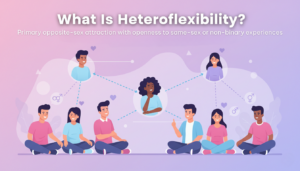
The Direct Answer: What Is Heteroflexibility?
The Simple Definition
Heteroflexibility (often described informally as “straight-ish”) refers to a sexual orientation in which a person:
- Identifies primarily as heterosexual (straight)
- Experiences attraction mainly toward people of the opposite sex
- Remains open to same-sex attraction or experiences in certain situations
The key word here is primary.
Heteroflexibility does not suggest equal attraction to multiple genders, nor does it require a change in lifestyle, relationship goals, or long-term identity. Instead, it acknowledges that attraction can include exceptions without redefining the rule.
What Heteroflexibility Is Not
To avoid confusion, heteroflexibility is often misunderstood as:
- “Undecided”
- “In denial”
- “Bisexual but afraid to say it”
- “Experimenting temporarily”
In reality, heteroflexibility functions as a descriptive label, not a transitional one. For many people, it’s simply the most accurate way to explain how attraction shows up in real life—especially in dating contexts.
Why This Label Exists Now
Dating apps have made attraction observable. People are no longer answering abstract questions about identity; they’re choosing who to swipe on, who to match with, and who to meet.
As a result, labels have evolved to reflect behavior patterns, not just ideology.
This evolution is closely tied to broader platform competition and feature changes, explored in detail in the dating app market shift of 2026 → Dating App Wars 2026.
The Data: Why It’s the Fastest-Growing Identity on Feeld
Platform-Reported Growth (2025–2026)
According to insights released by Feeld, heteroflexibility became the fastest-growing identity label on the platform between late 2025 and mid-2026.
While exact user counts are proprietary, platform-shared trend summaries consistently point to:
- Double-digit percentage growth year-over-year
- Increased adoption across both men and women
- Strong concentration in global urban hubs
Where Growth Is Strongest
The rise of heteroflexibility is especially visible in cities with:
- High dating-app density
- Strong LGBTQ+ visibility
- Large Millennial and Gen Z populations
Notable hotspots include New York City and London, where users are more likely to choose nuanced labels over broad categories.
The Role of Millennials and Gen Z
Two generations are driving this shift:
- Millennials (late 20s to early 40s)
- Seek clarity without rigidity
- Value honesty over labels that feel performative
- Gen Z (early 20s)
- Normalize identity customization
- Expect platforms to reflect fluidity rather than force binaries
Together, these groups have reshaped how dating apps structure identity options—and how users interpret them.
Deep Dive: Understanding the Nuances of Heteroflexible Identity
Heteroflexibility vs. Bisexuality: The Priority Factor
The most common comparison is between heteroflexibility and bisexuality, but the distinction is practical rather than philosophical.
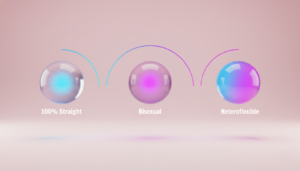
- Bisexuality
- Attraction to more than one gender
- Often experienced with relatively balanced intensity
- Gender is not a limiting factor in attraction
- Heteroflexibility
- Attraction is primarily opposite-sex oriented
- Same-sex attraction exists but is secondary or situational
- Gender still plays a significant role in preference
The difference lies in priority, not validity.
A Real Journey: From Confusion to Clarity:
“Saphia, a 20-year-old designer, once struggled with rigid sexual labels. While she felt a deep connection and primary attraction to women, she occasionally found herself unexpectedly drawn to men. This internal conflict made her fear being judged as ‘inconsistent’ within her community. It was only after researching what Heteroflexibility is and the growing reports on sexual fluidity on Feeld in 2026 that she found her answer. Saphia realized that having a strong preference for women while remaining open to exceptions with men didn’t diminish her identity. She shed the weight of narrow labels, accepting that she is simply ‘flexible’ and choosing to stay honest with every natural spark of attraction she feels.”
Heteroflexibility vs. Pansexuality
Another point of confusion is pansexuality.
- Pansexuality
- Attraction is not influenced by gender
- Emotional or personal connection outweighs gender identity
- Heteroflexibility
- Gender remains relevant
- Attraction patterns are asymmetric, not gender-blind
The Kinsey Scale in 2026 Context
Long before dating apps existed, Alfred Kinsey proposed a spectrum model of sexuality now known as the Kinsey Scale.
In 2026, this framework is often referenced to explain heteroflexibility as:
- A position closer to the heterosexual end of the spectrum
- With acknowledged—but limited—variation
Importantly, modern usage treats the Kinsey Scale as a contextual tool, not a label generator.
Practical Application: Navigating Dating Apps as Heteroflexible
How to Present This Identity on Your Profile
If you identify as heteroflexible—or are exploring whether the label fits—clarity matters.
Effective profiles typically include:
- A clear label selection (when available)
- Neutral, non-defensive language in the bio
- Preference settings that align with actual comfort levels
For step-by-step guidance, see How to Optimize Your Dating Profile on Tinder or Bumble.
This approach reduces confusion and increases the chance of matching with people who understand your boundaries.
Discussing Flexibility in Conversation
Identity doesn’t need to be announced immediately—but it shouldn’t be hidden either.
Natural ways to bring it up include:
- Discussing past dating experiences
- Asking open-ended questions about preferences
- Responding honestly when asked directly
Practical examples and scripts are covered in How to Start a Conversation Naturally on a Dating App.
The Psychology of “Flexible” Attraction
Why “Straight” Feels Too Narrow in 2026
Many people who identify as heteroflexible report that the label “straight” feels incomplete, not incorrect.
Common reasons include:
- Occasional same-sex attraction that doesn’t fit the straight narrative
- Social environments that encourage honesty over conformity
- Increased visibility of diverse attraction models
Authenticity Over Expectation
Modern dating culture increasingly prioritizes:
- Self-description over social expectation
- Accuracy over simplicity
This psychological shift explains why heteroflexibility feels liberating rather than confusing for many users.
Men, in particular, often struggle with expressing this nuance due to cultural pressure. For grounded, practical advice, see Dating Advice for Men: Real Guidance for Real Men.
Strategic Communication: How to Talk About Flexibility
Discussing your flexibility doesn’t have to be a formal “coming out” moment. Instead, treat it as an evolution of your dating preferences. When you are ready to share this with a partner or match, focus on these three pillars:
- Transparency: Be clear that your primary attraction remains heterosexual to manage expectations correctly.
- Boundaries: Define what “flexible” means for you—is it emotional, purely physical, or just a curiosity?
- Respect: Use online dating boundaries to ensure both you and your match feel safe and understood during the conversation.
By leading with honesty, you filter for partners who value your complexity. This level of communication is often seen as a significant “Green Flag” in modern relationships. To further refine your approach, you can study how to start a conversation naturally on a dating app to transition into deeper topics with ease.
Case Study: The New York “Feeld” Effect
In New York City, the adoption of heteroflexible labels has transformed the dating market. Users who formerly identified as “Straight” but checked “Open to all” in search filters now have a specific word to bridge that gap. This clarity has led to higher quality matches and fewer “ghosting” incidents related to mismatched sexual expectations. It proves that when we have the right language—like Heteroflexibility là gì—we can build better, more honest connections.
Safety and Boundaries in the Gray Area
Ethical Exploration
Exploring attraction ethically means:
- Being honest with matches
- Avoiding misleading labels
- Respecting others’ boundaries
Flexibility should never come at the expense of transparency.
Handling Ghosting and Soft Stigma
Some users report occasional ghosting or subtle stigma when disclosing flexible attraction. The solution isn’t hiding—it’s filtering for compatibility.
Safety First (Non-Negotiable)
When meeting new people—especially in exploratory phases—basic safety rules apply.
Mandatory checklist:
→ Dating Safety Checklist for First-Time Dating App Users.
Core reminders:
- Meet in public spaces
- Share plans with someone you trust
- Use in-app safety features
- Trust your instincts
Self-Discovery Tools: Are You Heteroflexible?
A 3-Step Self-Assessment
- Attraction Pattern: Who do you consistently feel drawn to?
- Dating Intention: What kind of relationships do you seek?
- Label Comfort: Which description feels most accurate?
The OAS Method (Applied Practically)
- Observation: Notice patterns without judgment
- Analysis: Identify consistency over time
- Synthesis: Choose the label that fits best right now
This method emphasizes reflection, not permanence.
Identifying Healthy Connections
During exploration, positive signals matter. Learn how to spot them in 10 Green Flags You Should Not Ignore.
FAQ: Common Questions About Heteroflexibility
Is heteroflexibility just a phase?
Not necessarily. For many, it’s a stable description of long-term attraction.
Does it affect monogamy?
No. Heteroflexibility relates to attraction, not relationship structure.
Is heteroflexibility different for men and women?
Social perception differs, but the underlying attraction model is the same.
Conclusion: Embracing the Future of Attraction
Heteroflexibility is not about abandoning identities—it’s about refining them.
As dating culture evolves, labels increasingly serve one purpose: helping people describe themselves honestly and connect more effectively.
Understanding what heteroflexibility is allows you to:
- Communicate clearly
- Set realistic expectations
- Navigate dating apps with confidence
The future of attraction isn’t about choosing sides—it’s about choosing accuracy.
72-Hour Action Checklist: Mastering Your Fluidity
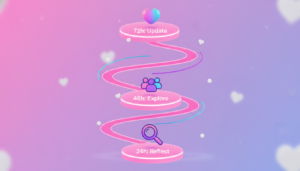
| Timeline | Practical Action |
|---|---|
| First 24 Hours | Self-Reflection: Spend 10 quiet minutes assessing where you fall on the fluidity scale. Don’t judge; just observe your thoughts. |
| Next 48 Hours | Explore the Community: Search for the term “Heteroflexible” on communities or dating apps to see how others describe their experiences. |
| By 72 Hours | Update & Align: If it feels right, update your profile or simply open your heart to new types of conversations to explore your true self. |

User Reviews