



Exercise for Heart Health: Safe Step-by-Step Guide
If you're an American spending long hours at a desk each day, or feeling anxious because heart disease runs in your family, this guide was created with your concerns in mind. It’s designed to help you start safely, even if you haven’t exercised in years. Many people want to exercise for heart health but don’t know where to start or how to do it safely. The fear of pushing too hard, the confusion about ideal intensity, and the uncertainty about tracking tools can make heart-healthy exercise feel more complicated than it should be. The good news: you don’t need a gym, expensive equipment, or long workouts to strengthen your heart. You only need a structured plan, a gentle progression, and clear safety guardrails. By the end of this guide, you’ll have a complete, step-by-step routine built on evidence-based practices from public-health authorities such as the CDC and NIH. You’ll learn how to warm up correctly, which movements best support cardiovascular health, how to avoid common mistakes, what symptoms require stopping, and how to use heart-health apps more privately and responsibly.
What Is a Heart-Healthy Exercise?

Heart-healthy exercise refers to any physical activity that increases your heart rate in a controlled, sustainable way while supporting circulation, breathing efficiency, and overall cardiovascular function. These exercises are typically moderate in intensity, safe for beginners, and repeatable throughout the week. Common examples include brisk walking, low-impact aerobics, cycling, and light bodyweight movements. The goal is not to push to exhaustion but to build endurance gradually, improve blood flow, and strengthen the heart muscle over time. As always, listen to your body and slow down if something feels unusual.
Prepare Your Body & Tools
Build a safe foundation so every exercise that follows feels steady, predictable, and heart-friendly.
Get Clearance from Your Doctor (Especially Important)
If you have any history of heart disease, high blood pressure, diabetes, chest discomfort, past cardiac procedures, or other ongoing health concerns, consult your doctor BEFORE starting this routine. A clinician can confirm whether these movements are appropriate for your condition, advise on safe intensity levels, and help you identify symptoms that require early stopping. This step is essential for adults who have been sedentary for long periods, take heart-related medication, or feel unsure about their baseline fitness.
Warm-up & prerequisites (5–7 minutes)
A proper warm-up reduces strain on your heart and joints while preparing your breathing and circulation for activity. Start with 1–2 minutes of gentle marching in place, allowing your arms to swing naturally. Follow with shoulder rolls, slow neck circles, and light torso rotations to loosen your upper body. Spend another minute on ankle circles and calf raises, which help wake up the lower legs and improve blood flow. Finish with slow deep breathing: inhale for four counts, exhale for six. This breathing ratio helps activate the parasympathetic system, which can reduce exercise-related anxiety.
A warm-up is especially important for adults who have been inactive, are returning from illness, or take medications that influence heart rate. Evidence from the CDC suggests that gradual onset reduces risk of injury and overexertion. If you feel chest pressure, sharp pain, dizziness, or unusual shortness of breath before finishing the warm-up, pause and reassess.
If you’re new to movement or returning after a long break, consider reviewing Good health tips to set realistic expectations before starting this routine.
Device/app setup & privacy checks
Apps can track your heart rate, steps, and progress, but it’s important to use them safely. Install tools like Hello Heart, Cormeum, or Blood Pressure Companion and grant only the permissions you truly need. Keep location off unless required. Check each app’s privacy settings for data sharing and deletion options, and prefer on-device storage to limit how much sensitive health data leaves your device.
Daily Heart-Healthy Exercises
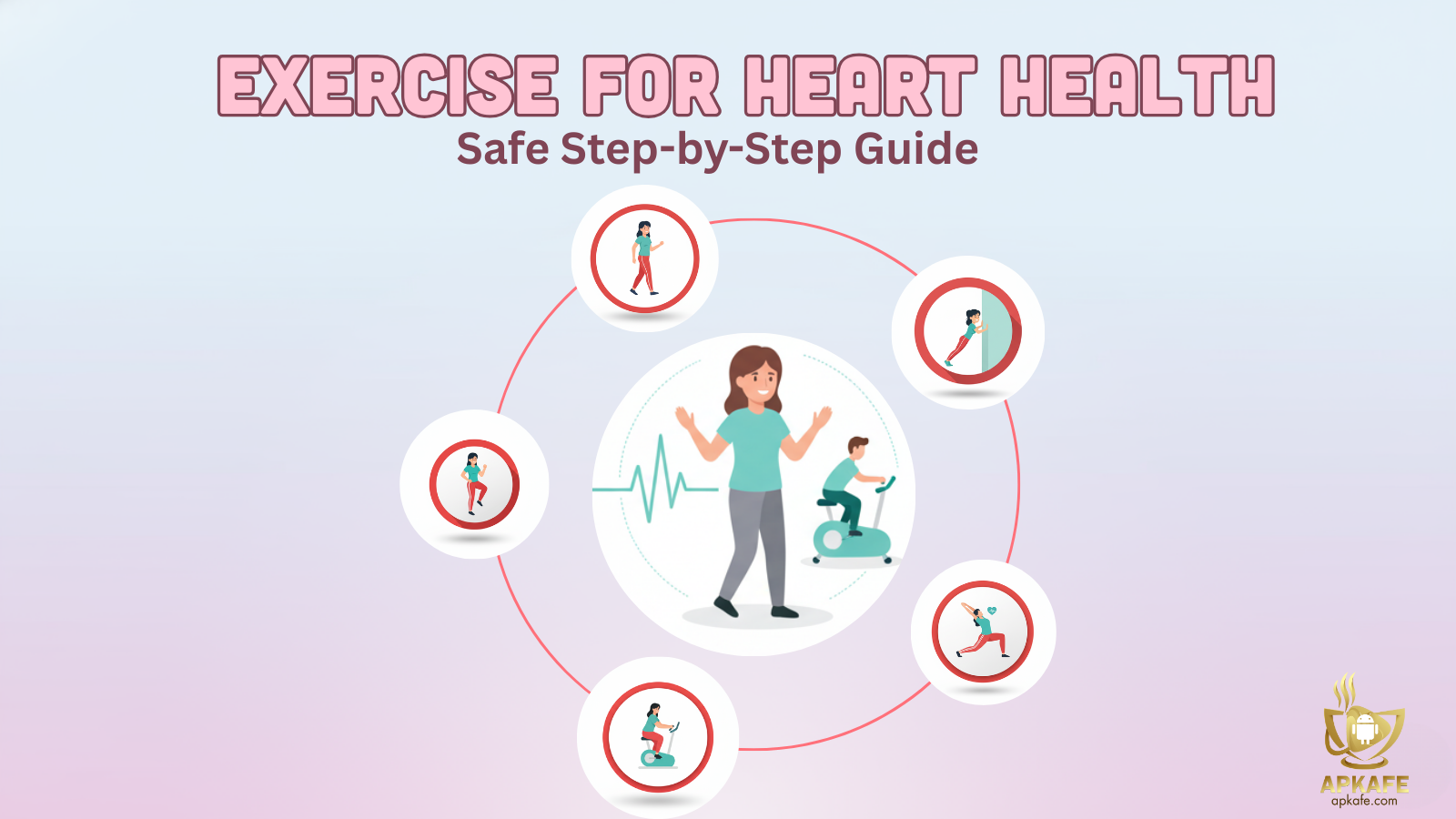
Follow these five progressive steps to build a strong cardiovascular foundation without overwhelming your body.
Gentle Brisk Walking (10–15 minutes)
A simple but highly effective way to move more, brisk walking is a great example of how to strengthen your heart with exercise. It lifts your heart rate gently and safely while helping beginners feel more comfortable with physical activity. You can fit it into everyday moments during your lunch break, around your office parking lot, through your apartment hallway, or in a nearby park.
How to do it:
- Start with 1 minute of normal walking to warm up your muscles.
- Gradually increase your pace until your breathing rises but you can still hold a conversation.
- Keep your shoulders relaxed, arms swinging naturally, and steps steady.
- Check your posture every few minutes: stand tall, relax your hands, keep your steps light.
- Increase your walking time by 2–3 minutes every 1–2 weeks if you feel comfortable.
Safety note:
Pause immediately if you feel chest tightness, dizziness, shortness of breath, or unusual fatigue.
Low-Impact Aerobics or March-in-Place (8–12 minutes)
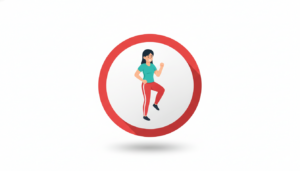
This approachable activity fits easily into a cardio-friendly routine, helping boost circulation and breathing without stressing your joints. It’s perfect for Americans in small apartments or shared spaces, since the movements stay quiet and can be adapted with chair support if needed. These safe cardio steps for beginners also pair well with simple heart-strengthening bodyweight moves you can do at home.
Try this 4-move sequence (45–60 seconds each):
- March-in-place (light knee lifts)
- Side steps
- Light knee lifts
- Arm reaches (lifting arms upward)
How to do it effectively:
- Rest 15 seconds between each move.
- Keep movements smooth — prioritize stability over speed.
- If you feel unsteady, reduce arm height or shorten your steps.
- Repeat 2–3 times per week; add 10–15 seconds per move as you get familiar.
Beginner Cycling or Stationary Bike (10 minutes)
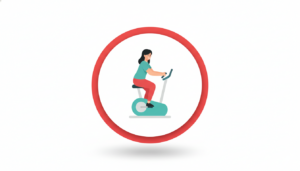
Cycling is a joint-friendly part of a cardio-friendly routine, helping build endurance and regulate breathing. It’s a popular choice for Americans because it can be done at home, at the gym during quieter hours, or indoors when the weather isn’t safe.
How to do it:
- Pedal for 1–2 minutes with very low resistance to warm up.
- Gradually increase resistance to a level where your breathing deepens but stays manageable.
- Keep your pedaling smooth and avoid sudden resistance changes.
- If you experience knee discomfort, raise the seat slightly to reduce joint compression.
- Track your heart rate with a watch/app if available and aim for a steady zone.
Progression:
- Increase to 15–20 minutes once you’re comfortable.
- Add gentle intervals: 30 seconds moderate, 30 seconds easy.
Heart-Strengthening Bodyweight Moves
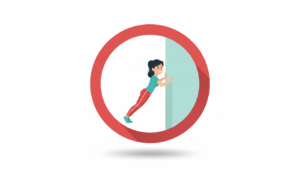
Bodyweight training is a powerful exercise for heart health because it activates large muscle groups that support circulation and overall cardiovascular efficiency, even when performed at a gentle, beginner-friendly pace.
Try these exercises:
Squat-to-chair
- Stand in front of a chair with feet shoulder-width apart.
- Lower down slowly until you lightly touch the seat, then stand back up.
- Perform 8–10 reps, keeping knees aligned with your toes.
Wall push-ups
- Place your hands at shoulder height on a wall and lean in slightly.
- Perform slow, controlled push-ups for 8–12 reps.
Step touches / lateral shifts
- Move gently from side to side to improve mobility and blood flow.
Notes:
- Do this sequence twice a week.
- If you feel joint pain or lose form, reduce your range of motion or rest.
Cool-down & Heart-Rate Check
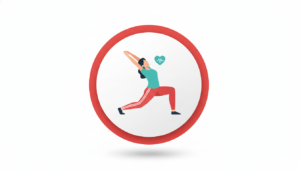
Bodyweight training is a powerful heart-strengthening bodyweight move because it activates large muscle groups that support circulation and cardiovascular efficiency, even at a gentle, beginner-friendly pace.
How to do it:
- Walk slowly for 2–3 minutes or lightly pace around the room.
- Stretch your calves, open your chest, and stretch the backs of your legs.
- Breathe deeply and slowly to relax your system.
Monitor & reflect:
- Check your heart rate a few minutes after resting (if using a device).
- Note what felt comfortable, what felt challenging, and what you may adjust next time.
Pitfalls & Pro Tips
Avoid early burnout and keep progress steady with these expert-backed strategies.
Common Pitfalls
- Starting too fast or skipping warm-up
- Comparing your pace to others
- Holding breath during exertion
- Using unnecessary app permissions
- Ignoring early signs of fatigue
Pro Tips
- Increase time by no more than 10% weekly
- Use chair-based variations if balance is limited
- Log sessions for consistency
- Schedule workouts at the same time daily
Contraindications & When to Stop
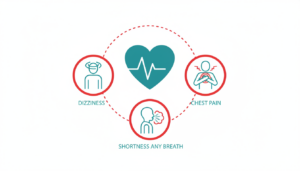
Recognize red flags to keep your routine safe and supportive.
Symptoms Requiring Immediate Pause
Stop if you experience chest pain, fainting, severe breathlessness, irregular heartbeat, sudden dizziness, or radiating discomfort in arms or jaw.
When to Consult a Professional
If you have chronic illness, take cardiac medication, are recovering from surgery, or experience new symptoms, speak with a doctor before increasing activity.
Safety & Privacy (Health)
How to stay safe and protect your data while starting this routine.
This guide is for general education only, so pay close attention to how your body feels — especially if you’re dealing with high blood pressure, diabetes, or a family history of heart issues. If you ever notice chest discomfort, dizziness, or unusual shortness of breath, stop right away and rest. When in doubt, checking in with your doctor is a smart and reassuring first step.
App privacy
These apps are helpful for monitoring progress, but they aren’t medical devices. Review what permissions you’ve granted, turn off anything non-essential (especially location), and choose on-device storage whenever possible. You can also look for data-deletion options if it helps you feel more in control.
Keeping both your body and your data safe will help you build heart-healthy habits with more confidence and less worry.
Final Thoughts
Heart-health exercise doesn’t have to be complicated, intense, or intimidating. With a steady warm-up, a simple set of daily movements, and privacy-aware use of tracking apps, you can gradually build a stronger cardiovascular foundation. For more everyday habits that support your heart, explore these heart health tips. Small, consistent steps matter more than perfection, and every bit of movement contributes to long-term wellbeing. Listen to your body, progress at a sustainable pace, and reach out to a healthcare professional if you ever feel uncertain about symptoms or limitations.
You now have a clear, practical roadmap — start where you are, move with intention, and let your heart grow stronger day by day.
Ready for the next step? Save this guide, share it with someone you care about, and begin your first 10-minute session today. Your heart will thank you for showing up.
FAQs
How often should I exercise for heart health?
2–3 sessions weekly is a good start. Gradually add more days as you feel stronger.
Is walking enough to strengthen my heart?
Yes — brisk walking is evidence-backed and accessible.
Can I track my heart rate without sharing data?
Most devices allow local-only storage. Disable cloud sync if desired.
What should I do if I feel mild discomfort?
Slow down, hydrate, reassess posture. Stop if the sensation worsens.
Can beginners do bodyweight exercises safely?
Yes, but start with small ranges of motion and stable support.

User Reviews