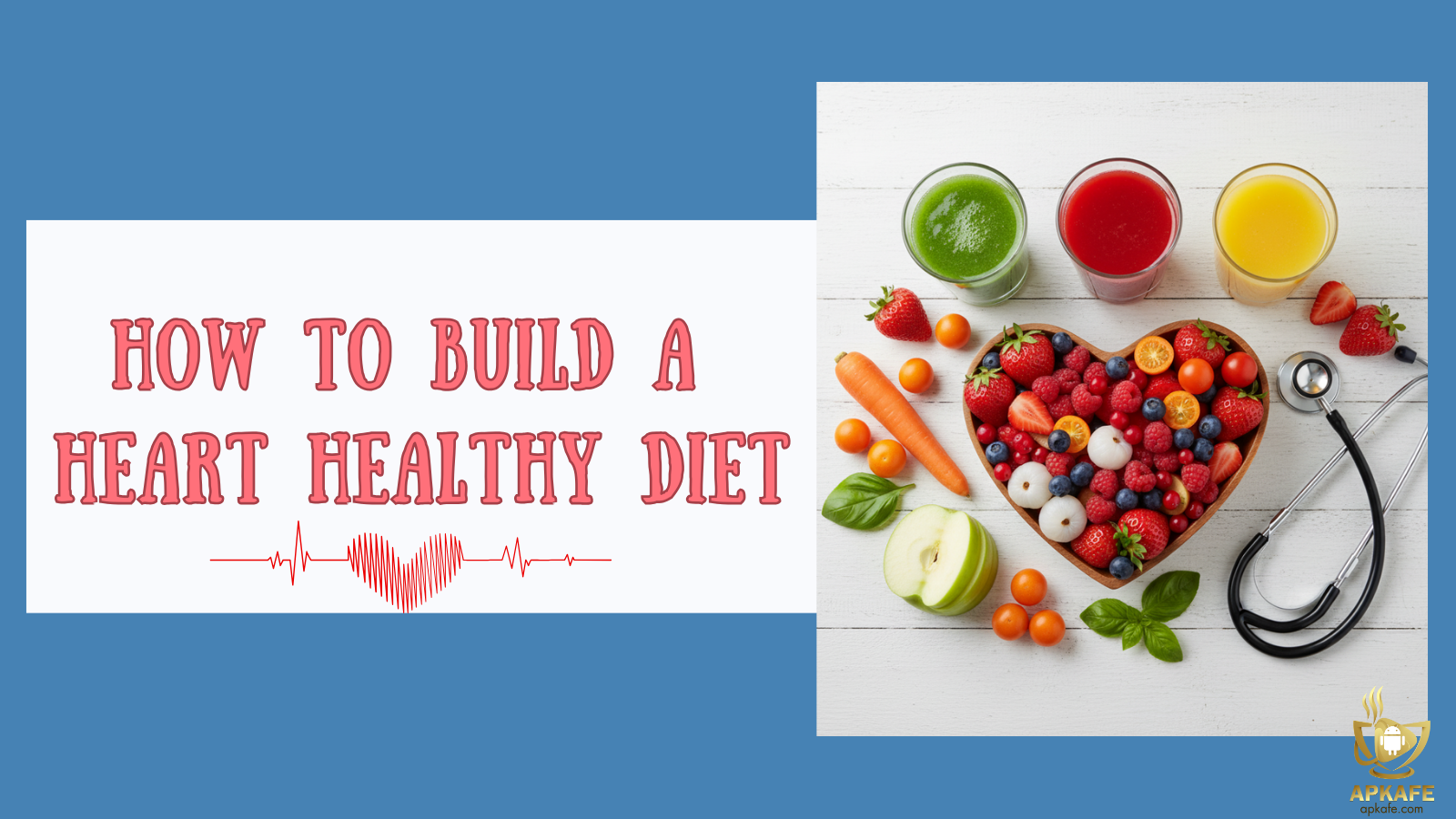




How to Build a Heart Healthy Diet
Heart-healthy eating can feel confusing, especially when advice changes from one source to another. The good news is that you don’t need strict rules or complicated meal plans to protect your heart. This guide is based on evidence-supported patterns from the DASH and Mediterranean diets, both recommended by major heart associations. By the end, you’ll get a simple 3-day sample menu shaped by these guidelines, plus one proven habit that makes heart-healthy eating easier to maintain: building every meal around vegetables, legumes, and whole grains. The core idea is this: nourish your heart by choosing foods that reduce inflammation, support healthy blood pressure, and stabilize cholesterol. This plan works whether you’re just getting started or adjusting your diet after a doctor’s recommendation.
What Is a Heart-Healthy Diet Plan?
Keep reading because the #1 mistake beginners make is hidden inside this very definition.
A heart-healthy diet plan is an eating pattern designed to protect your cardiovascular system by lowering salt, controlling saturated fats, stabilizing blood sugar, and increasing fiber. Rather than being restrictive, it focuses on adding the right foods in the right balance, especially vegetables, legumes, whole grains, lean proteins, nuts, seeds, and healthy oils.
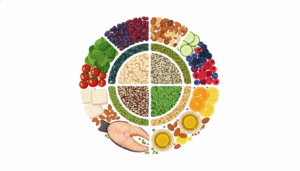
At its core, the diet reduces inflammation, improves blood pressure, and supports healthier cholesterol levels. You don’t need to count calories unless recommended by a clinician. Instead, think of building a heart-friendly plate: half vegetables, one quarter lean protein, one quarter whole grains.
This simple visual guide prevents the most common beginner error, overloading on refined carbs.
Core Principles of a Heart-Healthy Diet
- Fiber-first eating
- Healthy fats
- Lean proteins
- Low sodium
- Balanced portions
Who Should Follow This Plan?
Suitable for adults with:
- High blood pressure
- High LDL cholesterol
- Prediabetes or diabetes
- Overweight or metabolic syndrome
- Family history of cardiovascular disease
Benefits of a Heart-Healthy Diet
These benefits are encouraging, but the real question is: how do you eat this way every day without overthinking it? The easiest path is to focus on foods that consistently support cardiovascular health, and to build simple meals around them. In the next section, you’ll see exactly what that looks like, including a practical 3-day plan you can follow immediately.
Clinical Benefits (Backed by Research)
A heart-healthy eating pattern—rooted in DASH and Mediterranean guidelines—begins improving measurable markers within weeks. The most consistent clinical changes include:
- Lower LDL cholesterol
- More stable blood pressure
- Improved blood sugar control
- Reduced systemic inflammation
- Better long-term cardiovascular protection (circulation, arterial function, stroke/heart attack risk)
What You’ll Feel (Everyday Improvements)
Beyond the lab numbers, people often notice meaningful daily changes, sometimes within the first 7–14 days:
- Steadier energy throughout the day
- Reduced cravings and more balanced appetite
- Better digestion and reduced bloating
- Improved sleep quality
- Clearer mood and focus
Best Foods for Heart Health (+ Foods to Avoid)
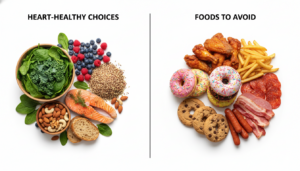
Among all heart-healthy foods, legumes and leafy greens consistently show the fastest improvements in cardiovascular markers, often outperforming even olive oil in short-term studies. Eating for your heart doesn’t need to be expensive or complicated. Use the foods in this section as your core staples and pair them with healthy eating habits for weight balance to build an even stronger foundation.
Vegetables, fruits, whole grains, lean proteins, and healthy fats provide critical nutrients and lower your cardiovascular risk.
- Whole Grains: Oats, quinoa, brown rice, barley, whole-wheat pasta.
- Fruits & Vegetables: Colorful produce rich in antioxidants and fiber: berries, citrus, leafy greens, tomatoes, broccoli, carrots.
- Lean Proteins: Fish, tofu, legumes, poultry, low-fat dairy.
- Healthy Fats: Olive oil, avocado, nuts, seeds, fatty fish.
Foods to Avoid for Better Heart Health
Most people avoid the obvious foods—yet the most dangerous heart offender is usually hidden in everyday meals. Avoid or limit foods that raise blood pressure, inflammation, and LDL cholesterol.
- Refined Grains & Sugary Foods: Pastries, pizza crust, sugary cereals, candy, donuts.
- High-Sodium Processed Foods: Packaged soups, instant noodles, cold cuts, sausages.
- Trans Fats & Deep-Fried Foods: Fried chicken, French fries, snacks with hydrogenated oils.
- Sugary Drinks & Excess Alcohol: Sodas, energy drinks, sweet teas, excess cocktails.
3-Day Heart-Healthy Meal Plan (Easy & Budget-Friendly)
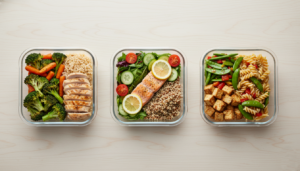
This 3-day plan includes portion sizes, budget-friendly ingredients, and options that help manage sodium, cholesterol, and blood pressure. Each day provides roughly 1,600–2,000 calories, depending on your portion adjustments.
Micro tips: You can use calorie counting apps to check the calories in your food.
Day 1: Balanced Day (~1,800 kcal)
Breakfast
- 1 cup cooked oatmeal
- ½ cup berries
- 1 tbsp chia seeds
- Optional: cinnamon (no added sugar)
Lunch
- 1 cup cooked quinoa
- ¾ cup chickpeas (rinsed, low-sodium)
- 1 cup mixed vegetables (spinach, cucumber, tomatoes)
Dinner
- 4–5 oz baked salmon
- 1 cup steamed broccoli
- 1 medium sweet potato (baked)
Snacks
- ¼ cup mixed nuts (unsalted)
- 1 medium apple or 1 banana
Day 2: Quick Day (~1,700 kcal)
Includes a true 3-ingredient lunch that takes under 7 minutes.
Breakfast
- 1 slice whole-grain toast
- ½ avocado, mashed
- 1 poached or boiled egg (optional protein add-on)
Lunch (3-Ingredient Meal)
- 1 can tuna (3–4 oz, low-sodium)
- ½ cup white or kidney beans, rinsed
- ½ cup cherry tomatoes, halved
Mix with lemon juice + black pepper (no mayo needed).
Dinner
- 4 oz tofu, stir-fried
- 1½ cups mixed vegetables (broccoli, peppers, carrots)
- ½ cup brown rice or quinoa
Snacks
- 1 orange or grapefruit
- ¾ cup low-fat yogurt
Day 3: Comfort Day (~1,850 kcal)
Breakfast
- 1 smoothie:
- 1 cup spinach
- 1 cup unsweetened almond milk
- 1 small banana
- 1 tbsp flax seeds
Lunch
- 1.5 cups lentil soup (low-sodium)
- Side: 1 small whole-grain roll
Dinner
- 4 oz baked chicken breast
- 1 cup roasted Brussels sprouts
- ½ cup wild rice
Snacks
- 3 tbsp hummus
- 1 cup carrot sticks
- ½ cup berries
Tips for Following a Heart-Healthy Diet
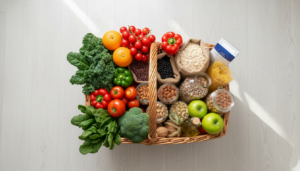
These strategies help you stay consistent long-term. They pair well with our everyday heart-health tips if you want simple, practical ways to protect your heart daily.
Grocery Shopping Tips
- Shop perimeter
- Choose low-sodium
- Frozen = budget-friendly
- Stock legumes & grains
Cooking Tips
- Replace butter with olive oil
- Use herbs
- Bulk-cook grains
- Air-fry instead of deep-fry
Eating Out Tips
- Grilled > fried
- Sauces on the side
- Limit soups
- Add vegetables
Heart-Healthy Daily Checklist (Printable Table)
| Category | Daily Target | Quick Check | Notes |
|---|---|---|---|
| Vegetables | 2–3 cups | Choose colorful options; mix raw & cooked. | |
| Fruits | 1.5–2 cups | Berries, apples, and citrus are preferred. | |
| Whole Grains | 3+ servings | Oats, quinoa, brown rice, whole-wheat pasta. | |
| Lean Proteins | 2–3 servings | Fish, beans, lentils, tofu, poultry. | |
| Healthy Fats | 2–3 servings | Olive oil, avocado, nuts, seeds. | |
| Added Sugar | Under 25–36 g | Replace sugary drinks with water/herbal tea. | |
| Sodium Intake | Under 1500–2300 mg | Check labels; choose low-sodium versions. | |
| Hydration | 6–8 cups | Adjust for climate & activity levels. | |
| Alcohol | 0–1 drink/day | If medically permitted. | |
| BP / Symptom Monitoring | 1–2 checks if needed | Track using heart-health apps for trends. |
Conclusion
A heart-healthy diet doesn’t require perfection, strict rules, or complicated meal plans. It’s about making steady, sustainable choices that support your heart every day—choosing more whole foods, using healthier fats, reducing sodium, and planning simple meals that fit your lifestyle. Even small changes, like adding one extra serving of vegetables or swapping refined grains for whole grains, can create meaningful progress over time.
The 3-day menu and tips in this guide are a starting point, not a rigid prescription. Adjust them to your preferences, cultural foods, and medical needs. If you combine mindful eating with regular movement, good sleep, and ongoing monitoring (with apps like Hello Heart, Cormeum, or Blood Pressure Companion), you’ll build habits that protect your heart for the long-term.
Your heart health is a journey—start with one change today, and let each step take you closer to a stronger, more energized you.

User Reviews