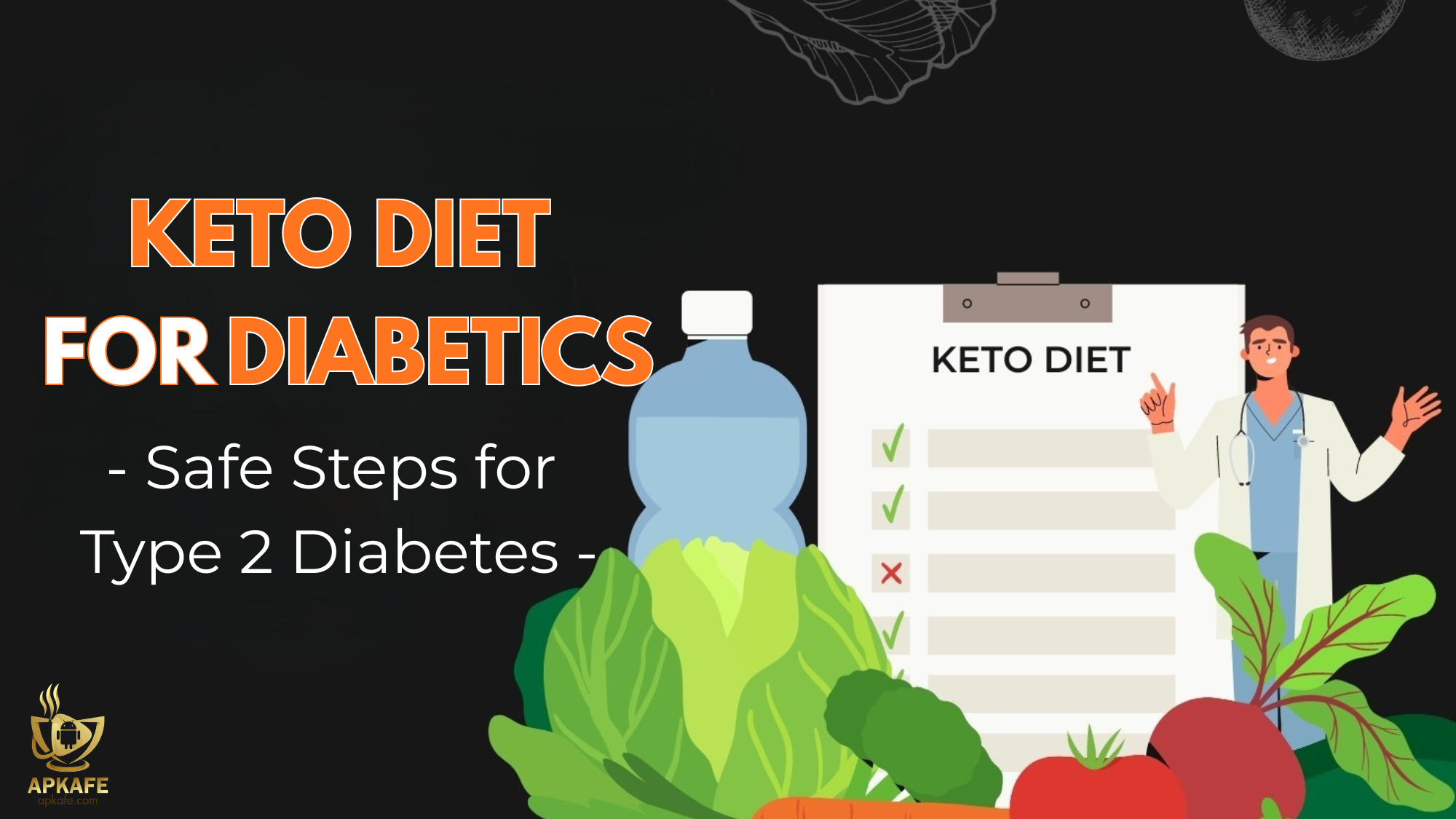




Keto Diet for Diabetics: A Safe, Step-by-Step Guide for Type 2 Diabetes
Imagine waking up one morning, checking your blood sugar, and smiling because the numbers are surprisingly stable even though you had a full and delicious dinner last night. That isn’t magic; it is the result of applying the right principles of energy metabolism. In the world of diabetes, carbs are often seen as the enemy, but if you know how to replace them with energy from healthy fats, your body naturally knows how to heal. Join me as we start this keto diet for diabetics journey, a real path that helps you not just live with the condition, but stay healthy beyond expectations. Make sure to read until the end to collect more helpful guidance for your journey
What Is the Keto Diet and Why Diabetics Are Drawn to It

Before you decide if keto is right for you, there’s one key shift most articles don’t explain clearly because it’s not just about “eating more fat.”
A ketogenic diet (keto) is a very low-carb eating pattern that typically lowers carbohydrate intake enough that your body relies more on fat for energy. For many people with type 2 diabetes, the appeal is straightforward: carbs often have the most noticeable effect on post-meal blood sugar. So reducing carbs can reduce spikes.
Keto vs low-carb (quick clarity):
- Low-carb diet for diabetics: a spectrum—many people reduce carbs without going extremely low.
- Keto diet for type 2 diabetes: usually the stricter end of low-carb, often requiring tighter tracking and more careful adaptation.
The most important takeaway: for diabetes, keto isn’t “a fat diet.” It’s a carb-reduction strategy that must be paired with monitoring and safety checks—especially if you take medications that lower blood sugar.
Is the Keto Diet Safe for Diabetics? What the Evidence Actually Says

The same diet can lead to opposite outcomes in studies—the difference lies in how it’s applied.
When it comes to the keto diet for diabetics, the scientific evidence is not black and white. Research suggests some people with type 2 diabetes may see short-term improvements in glycemic control when carbohydrate intake is sharply reduced, but risks also increase when changes are made without tight monitoring, especially for people taking medications that can cause low blood sugar.
A real-life thread (to make this feel real)
Monica, 46, has type 2 diabetes and takes a sulfonylurea. She decides to “go keto” on Monday after watching a few videos: no rice, no bread, no fruit—just eggs, bacon, and salad. By Wednesday afternoon she feels shaky and foggy. Her meter shows a low number. She panics and assumes keto is “dangerous.”
But her problem wasn’t simply keto—it was a fast carb drop + medication risk + no gradual ramp + no stop rules. Hypoglycemia is a known risk for people using insulin or certain diabetes meds (including sulfonylureas), and it’s exactly why food timing and glucose monitoring matter when changing your carb intake.
That’s why two people can follow “the same diet” and end up with opposite outcomes.
What evidence generally agrees on
- Lower carbs → lower post-meal (postprandial) glucose in many people with type 2 diabetes, especially in the short term.
- Some people reduce insulin needs in the short term when carb intake drops—but medication changes must be handled by a qualified clinician to prevent lows.
- Outcomes depend heavily on how keto is started and monitored (ramp speed, meal consistency, tracking, and stop rules), especially for people taking insulin or sulfonylureas.
Back to Monica: when she restarted more cautiously—reducing carbs gradually, eating consistent meals, and monitoring glucose—she saw fewer swings and felt more in control.
What evidence warns about
- Increased risk of hypoglycemia (low blood sugar) for those using insulin or sulfonylureas—diet changes can lower glucose faster than expected.
- Poor long-term adherence for many people because keto is highly restrictive; sustainability is often the main barrier even when short-term results look promising.
- Limited long-term data (and mixed long-term outcomes)—some analyses suggest ketogenic diets may not outperform other approaches for glycemic control or weight loss over longer time frames (e.g., around 2 years).
Monica’s takeaway after a month wasn’t “keto is magic” or “keto is poison.” It was: my body responds best when changes are gradual, meals are consistent, and I track patterns instead of guessing.
👉 Practical conclusion (with medical-source backing)
Keto is not inherently “dangerous,” but it is not automatically safe for all diabetics.
Safety comes from:
- Reducing carbs gradually so you can see glucose trends and avoid unnecessary lows. [NIDDK — Low Blood Glucose (Hypoglycemia)]
- Monitoring glucose consistently, because low blood sugar can be dangerous if missed. [CDC — Low Blood Sugar]
- Being ready to stop if the body responds poorly, especially with repeated lows or severe symptoms (a known risk with insulin/sulfonylureas).
Before You Start Keto: Prerequisites & Safety Notes
Skipping this part is the #1 reason diabetics feel awful in week one.
1) Get your baseline (so you know what “change” means)
Write down:
- Typical fasting glucose (morning)
- Typical pre-meal and post-meal readings (if you track them)
- Current routine: sleep, stress, activity
- Any medications that affect blood sugar
Micro-tip: A 3-day baseline log is enough to start.
2) Create “stop rules” (your safety net)
Stop your keto experiment and seek medical advice if you have:
- Repeated low readings
- Confusion, faintness, severe weakness
- Symptoms that don’t improve with slowing down
3) Decide your starting style: keto vs low-carb
If you want to reduce risk, many people begin with moderate low-carb, then only move toward stricter keto if stable.
How to Start the Keto Diet for Diabetics (Safely & for Free)
Most problems happen in the first 7–10 days—these steps are designed to prevent them.
Step 1: Reduce Carbs Gradually (Don’t Cut Overnight)

Instead of jumping straight to strict keto, taper down over 1–2 weeks. This is especially important if you take glucose-lowering meds.
How to do it (simple ramp)
- Week 1: Remove sugary drinks + desserts + refined carbs.
- Week 2: Reduce starchy sides (fries, rice, pasta) and replace with non-starchy vegetables.
Pitfall: “I went super low-carb and felt shaky.”
Fix: Add a small amount of carbs back and reduce more slowly.
Step 2: Build Diabetic-Friendly Keto Meals (Not Just “High Fat”)

For diabetes, “keto-friendly” should also mean balanced:
- Protein anchors meals
- Non-starchy veggies add volume + fiber
- Healthy fats support satiety (measured)
Easy plate formula
- Protein: eggs, chicken, fish, tofu
- Veggies: greens, broccoli, zucchini, salad
- Fats: olive oil, avocado, nuts (small portions)
Pitfall: Living on “keto snacks.”
Fix: Use whole-food meals first; treat packaged keto foods as occasional.
Step 3: Track Carbs & Meals (Free Tools Only)
For type 2 diabetes, tracking makes keto safer because you can connect: food → glucose → how you feel.
Start free:
- Compare options in Best keto diet apps to track carbs & plan meals
- If you want a mainstream carb tracker: Carb Manager keto diet tracker
- If you want simple meal structure: Lazy Keto Diet Meal Planner app/
- If you prefer a basic food log: Keto Diet App: My Food Tracker
Pitfall: Trying to be “perfect” daily.
Fix: Track patterns, not one-off meals.
Step 4: Monitor Blood Sugar & Patterns Daily

Your meter (or CGM if you use one) is your decision-maker—not the scale.
Track consistently
- Morning fasting
- Before meals
- 1–2 hours after meals (if you’re advised to)
Watch for
- Stability improving (good)
- Wild swings or repeated lows (warning)
Pitfall: Panicking about a single number.
Fix: Focus on trends across several days.
Step 5: Manage Electrolytes, Fluids & Energy

Many “keto side effects” are hydration/electrolyte problems—especially in early weeks.
Basics
- Water consistently
- Sodium from broth/whole foods
- Potassium-rich low-carb vegetables
Pitfall: Assuming fatigue means keto failure.
Fix: Recheck hydration, slow carb reduction, and stabilize meals.
Step 6: Reassess at 2–4 Weeks (Continue, Modify, or Stop)

Keto is a test, not a forever contract.
After 2–4 weeks, review:
- Glucose trends
- Energy and mood
- Sustainability
Three valid outcomes
- Continue cautiously
- Shift to moderate low-carb
- Stop and choose another plan
If you learn what helps you stay stable and consistent, you didn’t fail—you succeeded.
Common Keto Mistakes Diabetics Make (and How to Fix Them)
If keto feels terrible, one of these is usually the reason—and it’s often fixable.
| Mistake | What happens | Fix |
|---|---|---|
| Cutting carbs too fast | dizziness, lows | taper over 1–2 weeks |
| Too much fat, too little protein | nausea, cravings | protein-first plate |
| Not tracking glucose | hidden risk | daily consistent checks |
| Overusing packaged “keto” foods | stalls, hunger | whole foods first |
Keto Foods for Diabetics: What to Eat and What to Limit
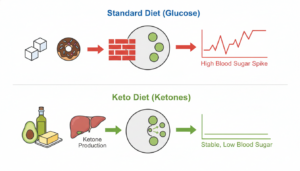
Choosing the right food is like planting a “Good Seed” (Nhân). Not all “keto” foods are great for diabetics. We want stability over everything else.
✅ Foods to Prioritize (The Green Zone)
- Protein Anchors: Eggs, wild-caught fish (salmon, mackerel), and chicken. Protein protects your muscle mass and keeps you satiated.
- Non-Starchy Volume: Leafy greens (spinach, kale), broccoli, and zucchini. These provide the fiber needed for gut health without the sugar spike.
- Healthy Fats: Avocados, olive oil, and walnuts. These are your new “fuel.”
⚠️ Foods to Limit (The Caution Zone)
- “Keto” Packaged Snacks: Many contain artificial sweeteners that can still cause an insulin response in some people.
- Processed Meats: Bacon and sausage are okay occasionally, but don’t let them be your primary protein; they can be pro-inflammatory.
How to Use a Keto Food List Safely
Instead of asking “Is this keto?”, ask:
“How does this affect my blood sugar?”
The most practical method:
- Eat a simple meal
- Measure glucose before and after
- Log the response
You can use Keto Diet App: My Food Tracker to:
- Log foods
- Record glucose notes
- Identify personal patterns
Health & Privacy Disclaimer
Protect your health and your data before you “optimize” your macros.
- This guide is informational only and not a substitute for professional medical advice.
- Dietary changes can affect blood sugar quickly, especially with glucose-lowering medications.
- Stop and seek professional guidance if you have repeated low readings, confusion, faintness, or severe weakness.
- Review app permissions and data sharing before logging health information.
FAQs
These answers help you decide whether to try keto—or choose low-carb instead.
Can the keto diet cure or reverse type 2 diabetes?
No. Keto is not a cure. Some people improve glucose control, but outcomes vary and long-term management depends on many factors.
Is low-carb safer than strict keto for diabetics?
For many people, yes. A moderate low-carb approach can be easier to maintain and may reduce risk of rapid drops.
What’s the best way to start a keto diet for free?
Start with gradual carb reduction, cook simple meals at home, and use free tracking features. Avoid paid “programs” until you know keto is sustainable for you.
Do I have to track carbs and food?
Strongly recommended at the start—especially for type 2 diabetes—because tracking reveals patterns that protect you from guessing.
What if my blood sugar gets worse?
Stop the experiment and reassess. Keto isn’t mandatory, and worsening trends are a signal to switch approaches and consult a professional if needed.
Can I do “lazy keto” with type 2 diabetes?
Possibly, but only if you still monitor glucose and maintain consistent meals. “Lazy” should never mean “unmonitored.”

User Reviews