



How to Practice Meditation for Stress Relief (Beginner-Friendly Guide)
Stress builds up quietly through deadlines, family responsibilities, and the constant noise of everyday life. Meditation for stress relief offers a simple, low-pressure way to reset your body’s stress signals, and you don’t need special equipment or long sessions to begin. Many people hesitate because they’re unsure if they’re “doing it right” or worry they can’t stay focused. This guide removes that pressure. By the end of this beginner-friendly how-to, you’ll understand exactly how meditation supports stress reduction, how to set up your space, and how to follow a calm, step-by-step routine with optional support from apps like Calm, Simple Habit, or Headspace. You’ll also learn common pitfalls, pro tips, data-privacy basics, and safety cues for when to pause or consult a professional, helping you build a sustainable, body-positive meditation habit for daily life.
What Is Stress?
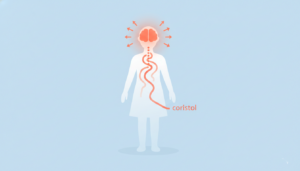
Stress is the body’s natural response to challenges, pressure, or perceived threats. When something feels overwhelming, your nervous system triggers the stress response, releasing hormones like cortisol and adrenaline. This can be helpful in short bursts, sharpening focus and energy. But when stress becomes long-term, it may contribute to fatigue, muscle tension, irritability, and difficulty sleeping. According to organizations such as the CDC and the NIH, chronic stress can influence both mental and physical well-being, making healthy coping strategies, including meditation important for many people.
Benefits of Meditation for Stress Relief
According to summaries from the NIH and stress-management guidance from the CDC, meditation may offer several benefits (though responses vary by individual):
- Helps the body shift from a “fight-or-flight” state into relaxation.
- Reduces muscle tension and supports natural breathing regulation.
- Improves emotional awareness and intentional responding.
- Enhances present-moment focus and reduces mental overthinking.
- Creates a pause that allows healthier stress processing.
- Supports a sense of calm and grounding during high-pressure moments.
Before You Start

Prepare a calm, comfortable environment so meditation feels safe and doable—not overwhelming.
What You Need (Space, Posture, Optional App Support)
Meditation doesn’t require special tools. Start with a quiet space where you can sit comfortably on a chair, cushion, sofa, or even the edge of your bed. The goal isn’t to sit perfectly still; it’s to support your body so you don’t strain your back, knees, or neck.
If you prefer guidance, beginner sessions in Calm, Simple Habit, or Headspace can help set the pace. Choose a non-branded audio session that’s 5–10 minutes long. Don’t worry about perfection, your job is simply to show up and breathe.
Safety Prep (Listening to Your Body & Privacy if Using Apps)
Before meditation, tune into your body. Light discomfort is normal, but sharp pain, dizziness, difficulty breathing, or emotional overwhelm are signs to pause. Meditation shouldn’t push you into distress.
If you use an app, check data permissions carefully. Turn off unnecessary access (contacts, precise location). Many apps allow offline mode or on-device storage—use these when possible. Confirm whether you can delete your session history later.
Step-by-Step Meditation for Stress Relief
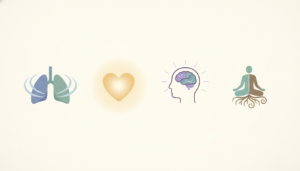
Simple, repeatable actions help calm your nervous system without forcing focus.
Get Into a Comfortable, Stable Position
Sit with your back supported but relaxed. Your hands can rest on your lap, knees, or by your sides. Close your eyes if it feels safe; otherwise, soften your gaze. A stable posture reduces fidgeting, which helps your mind settle. If you’re seated on the floor, use a cushion to elevate your hips so your spine aligns naturally.
Micro-tip: If your legs fall asleep easily, switch to a chair—comfort is key.
Focus on Natural Breathing
Breathe naturally—don’t force a slow or deep rhythm. Notice the air entering your nose, the gentle rise of your chest or belly, and the sensation of the exhale. This anchors your attention without strain. As stress decreases, your breathing may naturally deepen; let this happen on its own.
Micro-tip: Count a soft “1” on the inhale and “2” on the exhale if your attention wanders.
Notice Thoughts Without Judgment
Your mind will wander—that’s normal. Instead of fighting thoughts, imagine them as clouds drifting by. Acknowledge them (“thinking,” “planning,” “remembering”), then gently return to your breath. This is mindfulness in action: being aware without reacting. Over time, this reduces stress by softening your automatic responses.
Micro-tip: If you feel frustrated, shorten your session rather than forcing more time.
Use a Gentle Anchor (Breath, Sound, or Body Scan)
Choose an anchor that feels natural. Breath is the most common, but you can also follow ambient sounds, a simple hum, or sensations like warmth in your hands. A body scan—moving attention slowly from head to toe—helps relax tense areas. Anchors keep your mind from spiraling into stress loops.
Micro-tip: If using an app, select a session labeled “relaxation,” “stress,” or “beginner mindfulness.”
Close With a Grounding Check-In
End your meditation by asking yourself: “How do I feel right now?” Notice sensations in your shoulders, jaw, or stomach—areas where stress often builds. Stand slowly to avoid dizziness. Take a sip of water or stretch if needed. This grounding step helps you transition gently from stillness to movement.
For more support in managing daily tension, explore this friendly guide on stress and anxiety: Reduce stress and anxiety
Micro-tip: Keep a short journal note to track how meditation affects your stress over time.
Meditation Mistakes That Make Stress Worse
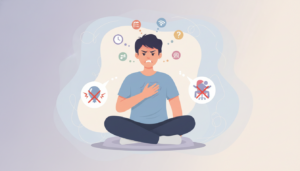
Based on mental-health insights referenced by the NIH, the following mistakes can increase stress rather than reduce it:
- Forcing slow or deep breathing that feels unnatural.
- Sitting in uncomfortable postures that cause pain or numbness.
- Pressuring yourself to “clear the mind completely.”
- Meditating for long periods before your body is ready → can trigger restlessness or discomfort.
- Judging yourself whenever your thoughts wander.
- Expecting immediate results, which can lead to frustration.
- Choosing an environment that’s too silent, making you feel uneasy or anxious.
Pitfalls & Pro Tips
Avoid frustration by steering clear of common mistakes and using expert-backed micro-adjustments.
Common Pitfalls
- Expecting instant calm
- Forcing slow breathing
- Sitting in uncomfortable postures
- Judging yourself for wandering thoughts
- Practicing when overly tired → leads to sleepiness instead of mindfulness
Pro Tips
- Pair meditation with an existing habit (after brushing your teeth)
- Start with just 3 minutes if overwhelmed
- Use background noise like a fan if silence feels intense
- Practice at the same time daily
- Use journaling to notice gradual improvements
Contraindications & “Stop If…”
Meditation is generally safe, but certain signs mean you should pause and seek guidance.If you experience dizziness, shortness of breath, chest pain, panic, emotional flooding, or worsening symptoms, stop immediately. People with trauma histories may need trauma-informed meditation (seek professional guidance). If you’re pregnant, recovering from surgery, or have chronic illness, confirm with a healthcare professional first.
Safety & Privacy (Health)
Protect both your wellbeing and your personal data while practicing.
Incorporates required disclaimer
- Educational only — not medical advice.
- Stop if you feel pain, dizziness, fainting, or worsening symptoms.
- Consult a professional if pregnant, have chronic conditions, or take medication.
- Apps are not medical devices; data is approximate.
- Review permissions, data sharing, and deletion options.
- Prefer on-device storage when possible.
FAQs
How long should I meditate for stress relief?
Most beginners benefit from 5–10 minutes per day. Short, consistent sessions help regulate attention and breathing patterns that influence stress responses. If you feel overwhelmed, start with 2–3 minutes and increase gradually. Consistency matters more than duration.
What’s the best time of day to meditate?
Choose a time you can stick to—morning for grounding, midday for a reset, or evening for unwinding. Avoid practicing when extremely tired, as meditation may turn into unintentional sleep, which can interrupt habit formation.
Can meditation replace therapy or medical care?
No. Meditation can support stress reduction, but it doesn’t diagnose, treat, or replace professional care. If symptoms worsen or interfere with daily functioning, speak with a qualified healthcare provider.
What if meditation increases my anxiety?
This can happen for some people, especially if sitting in silence feels intense. Shorten your session, switch to guided meditation, or use sensory anchors like sound. If anxiety persists, consult a mental health professional.
Are meditation apps safe for my data?
They vary. Always check privacy policies, permission requests, and data deletion options. Disable unnecessary sharing and use offline mode if available. Apps should never require contacts or precise location for basic meditation use.
Is it normal to get sleepy during meditation?
Yes, especially when stressed or fatigued. Try sitting with better posture, meditating earlier in the day, or opening your eyes slightly to stay alert.
Do I need complete silence to meditate?
No. Many people find gentle background noise, white noise, or natural audio easier to focus on than silence. Apps often include ambient soundscapes.

User Reviews