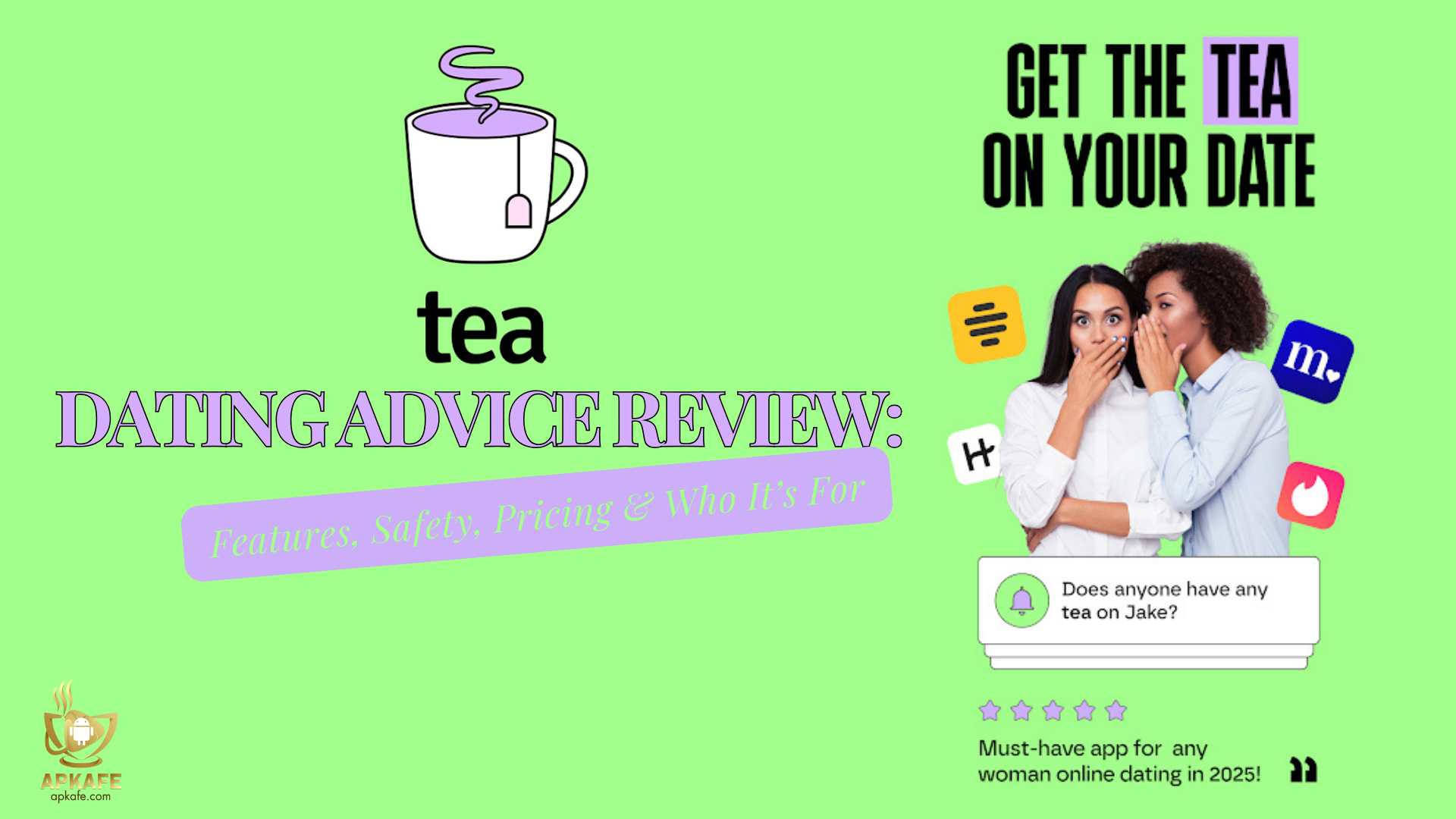




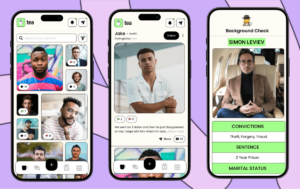
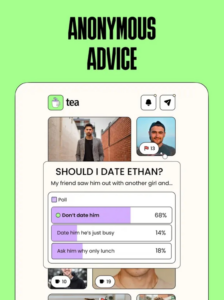
Are we dating the same guy? Ask our anonymous community of women to make sure your date is safe, not a catfish, and not in a relationship… Tea gives you the confidence to move forward with your date.

Online dating forces people to make real-world decisions with limited information. A profile photo, a short bio, and a few messages often determine whether you meet someone in person. For many daters, especially those prioritizing safety, that uncertainty can feel uncomfortable.
Tea Dating Advice emerged in response to that gap. Instead of helping people match or chat, it promises something different: shared experiences, warnings, and advice from others who have already navigated similar dating situations.
But is that kind of community insight genuinely helpful, or does it introduce new risks around privacy, bias, and emotional stress?
This Tea Dating Advice review takes a practical, neutral look at what the app actually does, how people use it in real life, and where it makes sense—or doesn’t. The goal isn’t to convince you one way or the other, but to give you enough clarity to decide for yourself.
What Is Tea Dating Advice (and What It Isn’t)
Why it matters
Many people download Tea Dating Advice expecting it to behave like a dating app. That misunderstanding shapes how they judge the experience.
Tea Dating Advice is not a dating platform. There is no swiping, no matching, and no direct messaging between users.
Start here
If you are looking to meet new people or increase your number of matches, this app will not help you do that.
Looking deeper
Tea Dating Advice is better understood as a dating awareness tool. It exists alongside dating apps rather than replacing them. Users share advice and experiences related to dating encounters—often situations that felt confusing, uncomfortable, or instructive. When used thoughtfully and occasionally, it can add context. When treated as a decision-making authority, it can create unnecessary doubt.
How the Platform Works in Real Life
Why it matters
Everything on the app is based on user-generated content, much of it shared anonymously. That design choice shapes both the strengths and weaknesses of the platform.
Start here
Read posts as personal perspectives, not verified facts. One story alone should never define your view of someone.
Looking deeper
Tea Dating Advice does not verify identities or confirm events. Its value comes from recognizing patterns across multiple experiences, not reacting to individual posts. Responsible use requires patience, emotional distance, and a willingness to question what you read instead of absorbing it at face value.
Core Features That Shape the Experience
Why it matters
The app avoids many engagement-driven features common in social or dating platforms, but that doesn’t mean it has no emotional impact.
Start here
If you prefer structured systems with filters, verification badges, or guided interactions, this app may feel loose or unstructured.
Looking deeper
Key features include anonymous posting, browsing shared advice, and reporting content that violates community guidelines. There is no gamification, but repeated exposure to negative dating stories can still influence perception and mood. The experience depends less on features and more on how frequently and intentionally you engage with it.
Pricing: What You Get for Free vs Paid
Why it matters
Advice-based platforms often feel useful at first, then gradually lose value when overused.
Start here
Spend time with the free version before considering any paid option.
Looking deeper
Tea Dating Advice typically follows a freemium model. Free access allows basic browsing and participation, while paid tiers may reduce limits or unlock expanded access. These upgrades don’t change the nature of the content. If free usage already feels overwhelming, paying is unlikely to improve your experience.
Who This App Is For—and Who Should Skip It
Why it matters
Not every dating tool fits every emotional style or comfort level.
Start here
If reading anonymous dating stories increases anxiety instead of clarity, this app is probably not a good fit.
Looking deeper
Tea Dating Advice tends to work best for cautious, reflective users who are comfortable weighing multiple perspectives. It may not suit people who want certainty, strictly verified information, or emotional distance from dating discussions. Choosing not to use it is a valid and healthy decision.
How to Combine Tea Dating Advice With Popular Dating Apps (The Right Way)
Why it matters
Many people struggle with online dating not because of a lack of options, but because of uncertainty. Is this person genuine? Is it worth investing time? Are there warning signs being missed?
Tea Dating Advice works best when it is treated as a supporting layer, helping users evaluate situations that already exist on mainstream dating apps—rather than as something that replaces them.
Start here
Use mainstream dating apps to meet and communicate, then use Tea Dating Advice selectively to sense-check situations that feel unclear.
Looking deeper
Apps like Tinder and Bumble are built for interaction: matching, messaging, and arranging dates. They help you start connections, but they can’t always answer deeper questions about intent, behavior patterns, or safety concerns.
This is where Tea Dating Advice fits in—not as a judge, but as a context tool.
Here’s a practical way users often combine them:
-
Step 1: Match and communicate normally
Use Tinder or Bumble as intended. Chat, get a sense of personality, and see whether there’s enough interest to continue.
-
Step 2: Pause before investing heavily
Before spending weeks texting, planning travel, or sharing personal details, use Tea Dating Advice to see if others have shared relevant experiences or advice that adds context.
-
Step 3: Look for patterns, not proof
Tea should never be used to “confirm” guilt or intent. Instead, it helps identify recurring concerns that may signal higher risk or misaligned expectations.
-
Step 4: Decide faster and more confidently
By combining direct interaction (dating apps) with indirect context (Tea), users often reduce:
- Time spent on unpromising connections
- Emotional energy invested too early
- Risk of ignoring repeated red flags
Used this way, Tea Dating Advice doesn’t compete with dating apps—it completes the decision loop. Dating apps help you meet people. Tea helps you decide how carefully to proceed.
Getting Started Without Overcommitting
Why it matters
Many users feel pressure to participate immediately after installing a new app.
Start here
You don’t need to post to get value. Reading alone is enough at first.
Looking deeper
After installation, review the community rules, adjust notification settings, and browse passively. This allows you to understand the tone, relevance, and usefulness of the content before deciding whether deeper engagement makes sense.
Privacy, Permissions, and Real Risks

Why it matters
The most significant risk is not meeting someone unsafe—it’s oversharing in a permanent digital space.
Start here
Never include names, workplaces, photos, screenshots, or social media handles in posts.
Looking deeper
Anonymous does not mean consequence-free. Content can persist, be misunderstood, or affect real people. Responsible use protects both your privacy and your integrity. If strict privacy control is a priority, platforms with clearer identity verification may feel more comfortable.
Dating Safety Principles Still Apply
Why it matters
No advice app can replace basic real-world safety habits.
Start here
If the app makes you feel less confident in your own judgment, pause your usage.
Looking deeper
Meet first dates in public places, tell someone where you’re going, avoid sharing sensitive information, and trust your instincts. Tools can support awareness, but personal boundaries remain the strongest protection.
Common Challenges and How to Handle Them
Why it matters
Most issues reported by users are emotional rather than technical.
Start here
Avoid daily scrolling. This app is not designed for constant use.
Looking deeper
Tea Dating Advice works best when used situationally—before a date or after a confusing interaction. If it increases stress instead of clarity, stepping away is the healthiest response.
❓Frequently Asked Questions
Is Tea Dating Advice legal in the US?
Yes, but legality does not guarantee accuracy or fairness.
Is it safe to use?
It can be, if privacy is managed carefully and content is viewed critically.
Does it replace dating apps?
No. It is a supplemental tool, not a matchmaking platform.
Is Tea Dating Advice worth it?
That depends on how thoughtfully you use it and how you respond to subjective information.
Time-Bound Action Checklist: How to Use Tea Dating Advice Responsibly
| Timeframe | Action | Purpose |
|---|---|---|
| Before installing | Read privacy policy and community rules | Set expectations |
| Within 24 hours | Review permissions and visibility | Limit data exposure |
| Within 24 hours | Disable unnecessary notifications | Reduce emotional overload |
| First week | Browse without posting | Learn community tone |
| First post (if any) | Remove identifying details | Protect privacy |
| Ongoing | Use only when needed | Avoid anxiety loops |
| Before a date | Treat advice as context, not verdict | Maintain judgment |
| If stress increases | Pause or uninstall | Mental well-being first |

Final Verdict: Should You Use Tea Dating Advice?
Tea Dating Advice is neither a solution nor a problem on its own. It is a tool, and its impact depends entirely on how it’s used.
For some daters, it adds a useful perspective. For others, it introduces doubt or emotional weight without enough benefit. The key is moderation, critical thinking, and self-awareness.
Dating will always involve uncertainty. No app removes that entirely. What matters most is how well you balance information with intuition, boundaries, and real-world safety habits. If you approach Tea Dating Advice with that mindset, you remain in control—regardless of whether you choose to keep using it or not.

User Reviews