




How to Build a Balanced Diet for Diabetics (Step-by-Step Guide)
Before you finish this introduction, you’ll learn the tiny plate-ratio tweak most people overlook—yet it can immediately reduce blood sugar swings. Managing diabetes through food doesn’t have to feel restrictive or confusing. A balanced diet for diabetics works by combining the right portions of carbohydrates, fiber-rich vegetables, lean proteins, and healthy fats—arranged in a way that supports steady glucose levels throughout the day. This guide gives you practical, realistic steps anyone can follow, plus a 7-day meal plan and a full diabetic-friendly foods list. You’ll also learn how to use meal-tracking apps like YAZIO, Cronometer, and Lifesum to personalize your meals safely, spot hidden sugars, and understand your glucose patterns with clarity. Everything is broken down into simple steps, built from nutrition best practices, and supported with micro-scenarios to help you take action immediately—even on your busiest days.
Before You Start — Essentials for a Safe & Effective Diabetic Diet
Stay until the last point to learn the 30-second grocery filter that eliminates 80% of hidden-sugar mistakes. Before building meals, set a safe and simple foundation: carb awareness, the diabetic plate model, and the digital tools that make healthy eating easier.
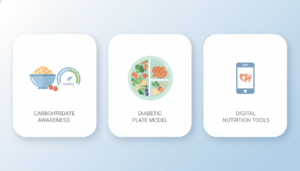
Understand Your Carbohydrate Range
Carbs impact glucose the most. Many adults use a guideline of 30–45g per meal and 15g per snack, but your clinician may adjust this. Spread carbs evenly to avoid spikes. Choose carbs high in fiber and pair with protein or fat for slower absorption.
Build the Diabetic Plate Model
A plate visual simplifies portion control:
- ½ plate: non-starchy vegetables
- ¼ plate: lean protein
- ¼ plate: whole grains/smart carbs
- + small healthy fats
This works at home, restaurants, takeout, and prep boxes.
Tools You Need (Apps + Kitchen Basics)
Apps streamline tracking and remove guesswork:
- YAZIO: simple logging

- Cronometer: detailed nutrient breakdown
- Lifesum: habit and food-quality coaching

Pair these with basics: measuring cups, food scale, containers.
Health & Privacy Disclaimer (Required Reading)
The final point reveals the one permission you should disable immediately to protect your health data.
This guide is informational only. It does not diagnose, treat, or replace medical advice. Consult your healthcare provider before adjusting diet, especially if you take insulin or glucose-lowering medications.
Health & Safety Checklist
- Discuss dietary changes with a licensed clinician.
- Monitor glucose when adjusting carbs or timing.
- Watch for hypoglycemia signs (shaking, sweating).
- Avoid extreme low-carb diets without supervision.
- Be careful with supplements making glucose claims.
- Seek help if experiencing persistent highs/lows.
Privacy Checklist
- Review permissions for YAZIO, Cronometer, Lifesum.
- Disable precise location unless required.
- Audit third-party data access every 3 months.
- Avoid storing sensitive info if uncomfortable.
- Use strong passwords & 2FA.
Step-by-Step: How to Create a Balanced Diet for Diabetics
By Step 4, you’ll uncover the one simple shift that smooths mid-day glucose spikes almost instantly.
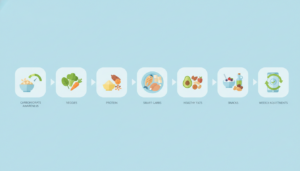
Step 1: Set Your Daily Carbohydrate Framework
Start by identifying your ideal carbohydrate range per meal. This varies by medication use, body size, and activity level, but many adults do well with 30–45g carbs per meal and 15g per snack—or whatever your clinician recommends. Knowing your range prevents accidental overeating and keeps energy levels steady. Spread carbs evenly throughout the day, and avoid “saving” carbs for nighttime, which can cause bigger swings.
Pitfall: Skipping breakfast or eating too few carbs early in the day → larger cravings and unstable glucose later.
Pro Tip: Use YAZIO or Cronometer to create a “default meal template” with carb totals built in.
Step 2: Fill Half Your Plate with Non-Starchy Vegetables
Vegetables like broccoli, spinach, bell peppers, and zucchini add fiber and volume without raising blood sugar significantly. Filling ½ your plate with these foods helps you feel full, reduces cravings, and improves digestion. You don’t need to track veggie grams—use the plate model as a visual anchor. Fresh, frozen, or steamed all work as long as sauces and dressings are controlled.
Pitfall: Bottled dressings often contain hidden sugar (2–7g per tablespoon).
Pro Tip: Roast veggies in bulk on weekends for fast weekday meals with minimal effort.
Step 3: Add Lean Protein to Every Meal
Protein slows the absorption of carbohydrates, helping prevent glucose spikes. Choose lean options such as chicken breast, turkey, tofu, eggs, Greek yogurt, lentils, or white fish. Aim for a palm-sized portion at each meal. If you struggle with cravings, increasing protein slightly at breakfast is often the most effective adjustment.
Pitfall: Fried proteins or sugary marinades can undermine blood sugar control.
Pro Tip: Prep 2–3 versatile proteins (grilled chicken, boiled eggs, baked tofu) each week for mix-and-match meals.
Step 4: Choose Smart Carbs (Whole Grains, Beans, Low-GI)
Smart carbs include oats, quinoa, barley, chickpeas, lentils, sweet potatoes, and whole-grain breads. These foods digest more slowly, helping maintain steady glucose. A practical rule: the more fiber, the friendlier the carb. When checking labels, look for at least 3g of fiber per serving and avoid products with added sugars in the top five ingredients.
Pitfall: Thinking “brown” automatically means whole grain—many breads are just dyed.
Pro Tip: Cronometer’s GI (glycemic index) categories help you sort carbs by impact.
Step 5: Add Healthy Fats for Satiety
Healthy fats help you stay full longer without raising blood sugar. Good options include avocado, olive oil, nuts, seeds, and fatty fish like salmon. Aim for 1–2 thumb-sized portions per meal. Adding fat to meals improves satisfaction and reduces snacking, especially if you experience cravings shortly after eating.
Pitfall: Over-pouring oils—1 tablespoon equals ~120 calories and can add up quickly.
Pro Tip: Use a small measuring spoon the first few weeks until your eyes learn the correct portions.
Step 6: Build Smart, Balanced Snacks
Diabetic-friendly snacks prevent blood sugar dips and overeating at the next meal. Combine 1 carb + 1 protein: apple + peanut butter, whole-grain crackers + cheese, Greek yogurt + berries, or hummus + cucumbers. Keep portions small and predictable. If you use insulin or certain medications, balanced snacks help reduce hypoglycemic episodes.
Pitfall: Snacking mindlessly while watching TV—portions double without noticing.
Pro Tip: Prepare snack boxes for the week; log them once in YAZIO and reuse the entry.
Step 7: Track & Review Your Meals (YAZIO / Cronometer / Lifesum)
Meal-tracking apps help you understand how certain foods affect your glucose patterns. Use barcode scanning to log packaged foods, and save “favorite meals” to speed up daily tracking. Cronometer is great for detailed nutrient data, YAZIO excels at simplicity, and Lifesum provides habit coaching. Tracking for just 7 days often reveals patterns: hidden sugars, missed proteins, or inconsistent timing.
Pitfall: Logging inaccurately (guessing portions) → misleading results.
Pro Tip: Use a food scale for 1–2 weeks; after that, portion intuition dramatically improves.
Step 8: Adjust Weekly Based on Glucose Patterns
Once you’ve tracked for a week or two, look at patterns: What meals spike you? Which keep you steady? Adjust one variable at a time—carb amount, timing, fiber, or protein. Small tweaks (e.g., adding veggies, reducing refined carbs) often deliver large improvements. Share meal logs or glucose trends with your healthcare provider for safe personalization.
Pitfall: Changing too many things at once → confusion about what works.
Pro Tip: Make one weekly “micro-adjustment” and evaluate for 3–4 days.
7-Day Diabetic Balanced Meal Plan (Simple & Realistic)
On Day 3, you’ll see the surprisingly simple breakfast dietitians say keeps glucose steadier than oatmeal for many adults.
This 7-day plan emphasizes fiber-rich vegetables, lean proteins, and slow-digesting carbs. Portions follow the diabetic plate model (½ veggies, ¼ protein, ¼ smart carbs). Adjust exact quantities based on your carb range.
Day 1
Breakfast: Veggie omelet + whole-grain toast
Lunch: Chicken salad
Dinner: Salmon, quinoa, roasted broccoli
Snacks: Apple + nuts
Day 2
Breakfast: Greek yogurt + berries
Lunch: Turkey wrap + greens
Dinner: Tofu stir-fry + brown rice
Snacks: Carrot + hummus
Day 3 (Dietitian Favorite)
Breakfast: Cottage cheese + cinnamon + pear
Lunch: Lentil soup
Dinner: Shrimp + spinach + sweet potato
Snacks: Almonds + egg
Day 4
Breakfast: Oatmeal + chia
Lunch: Chicken quinoa bowl
Dinner: Turkey meatballs + zucchini noodles
Snacks: Crackers + cheese
Day 5
Breakfast: Avocado toast + egg
Lunch: Tuna salad
Dinner: Beef stir-fry + cauliflower rice
Snacks: Greek yogurt + berries
Day 6
Breakfast: Egg + spinach wrap
Lunch: Black bean bowl
Dinner: Baked chicken + roasted veggies
Snacks: Cucumbers + hummus
Day 7
Breakfast: Protein smoothie
Lunch: Fish taco bowl
Dinner: Veggie chili + avocado
Snacks: Pear + nuts
Diabetic-Friendly Foods List (With Portion Notes)
Making the right food choices doesn’t have to be overwhelming. Use this list as your quick, reliable guide to building blood-sugar–friendly meals every day.
At the bottom of this list, you’ll discover the one fruit most people overeat—plus the safest way to enjoy it.
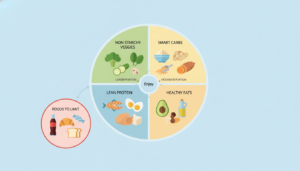
Non-Starchy Vegetables (Unlimited)
These are your “blood-sugar neutral” foods — high in fiber, low in carbs, and perfect for filling up without worry.
Examples: spinach, kale, broccoli, peppers, mushrooms, green beans, cabbage, zucchini.
Smart Carbs (¼ Plate)
Carbs aren’t the enemy — choosing the right ones in the right amount is what matters most.
Smart carb options: whole grains, lentils, beans, chickpeas, quinoa, sweet potato, barley.
Lean Proteins (Palm Size)
Protein helps slow down digestion, keep you full longer, and stabilize glucose after meals.
Great choices: chicken, turkey, eggs, fish, tofu, tempeh, Greek yogurt.
Healthy Fats (1–2 Thumb Portions)
Healthy fats boost satiety, support hormone balance, and keep meals satisfying without spiking blood sugar.
Good options: olive oil, avocado, almonds, walnuts, chia seeds, flaxseeds.
Foods to Limit
These foods digest quickly and can cause sharp glucose spikes, so enjoy them sparingly.
Examples: white bread, pastries, sweetened cereals, sugary drinks, processed snacks.
Special Note: Overeaten Fruit — Grapes
Grapes are nutritious but high in fast-acting natural sugars.
How to enjoy it safely: eat a small handful and pair it with protein like nuts or cheese.
Common Mistakes Most Diabetics Make (And Simple Fixes)
The final mistake is the silent glucose disruptor almost everyone overlooks—and fixing it takes 10 seconds.
- Sugar-free ≠ safe → Check carbs.
- Overeating fruit → Pair with protein.
- Ignoring sauces → Choose lemon, mustard, salsa.
- Skipping meals → Prepare snacks.
- Not tracking → Track with YAZIO/Cronometer/Lifesum.
Balanced Diet for Diabetics — Quick 1-Minute Checklist
| Category | What to Do | Common Mistake | Quick Fix |
|---|---|---|---|
| Carbs | 30–45g/meal, 15g/snack (or per clinician) | Skipping breakfast → later spikes | Keep protein + carb breakfast template |
| Plate Model | ½ veggies, ¼ protein, ¼ smart carbs | Too many starchy sides | Prep veggies first when plating |
| Proteins | Add every meal | Fried proteins | Choose grilled/baked |
| Smart Carbs | Choose high fiber, whole-grain | Trusting “brown” labels | Check for ≥3g fiber/serving |
| Fat Intake | 1–2 thumb portions | Over-pouring oils | Use measuring spoon temporarily |
| Snacks | Pair carb + protein | Mindless snacking | Pre-portion 150–200 cal containers |
| Tracking | Log meals 7–14 days | Guessing portions | Use scales for 1 week |
| Review Weekly | Change ONE thing at a time | Changing everything | Weekly micro-adjustment rule |
| Safety | Monitor glucose for changes | Ignoring symptoms | Address highs/lows w/ clinician |
| Privacy | Review app permissions quarterly | Allowing all by default | Disable until needed |
Conclusion
Apply just one habit from this conclusion — and you may start noticing steadier blood sugar within a few days.
Building a balanced diet for diabetes isn’t about making dramatic changes overnight. It’s about a series of small, sustainable adjustments: choosing smarter carbohydrates, pairing them with lean proteins, prioritizing non-starchy vegetables, adding healthy fats, and using reliable tools like YAZIO, Cronometer, and Lifesum to understand your patterns. When these habits become part of your everyday routine, they create a surprisingly powerful impact on glucose stability and overall well-being.
Remember: everybody responds differently to food. Instead of searching for the “perfect” diabetic diet, focus on improving just 1% each week—slightly better portions, one extra serving of vegetables, fewer refined carbs, or more consistent tracking. These small steps compound into long-term progress.
Think of this as a collaboration between you, your body, and your healthcare team. By moving forward gradually and intentionally, you’ll build an eating pattern that feels satisfying, realistic, and supportive of your long-term health—today, tomorrow, and for years to come.
FAQs
Can diabetics eat rice or bread?
Yes—portion size matters. Mix with cauliflower rice when possible.
How many carbs per meal?
Often 30–45g, but follow clinical guidance.
Are fruits safe?
Yes, with portion control.
Is intermittent fasting safe?
Only with professional supervision.
What if healthy food is expensive?
Use beans, eggs, and frozen veggies.
Do I need to track every meal?
No, but 7 days is extremely insightful.
Best breakfast for stable glucose?
Cottage cheese + fruit or eggs + veggies.
Internal Links (Inserted Naturally)
- Learn simple healthy lifestyle tips (https://apkafe.com/10-simple-healthy-lifestyle-tips/)
- Explore the best meal-planning apps (https://apkafe.com/best-apps-to-plan-meals-in-minutes/)
- Support your mental health with mental wellness apps (https://apkafe.com/top-6-best-mental-wellness-apps/)
- Start long-term wellness with healthy habits you can start today (https://apkafe.com/12-tips-for-good-health-you-can-start-today/)
References & Scientific Sources
- American Diabetes Association (ADA). “Standards of Medical Care in Diabetes – 2024.”
- CDC – Centers for Disease Control and Prevention. “Healthy Eating for Diabetes.”
- NIDDK / NIH – National Institute of Diabetes. “Diabetes Diet, Eating & Physical Activity.”
- World Health Organization (WHO). “Healthy Diet Factsheet.”

User Reviews